
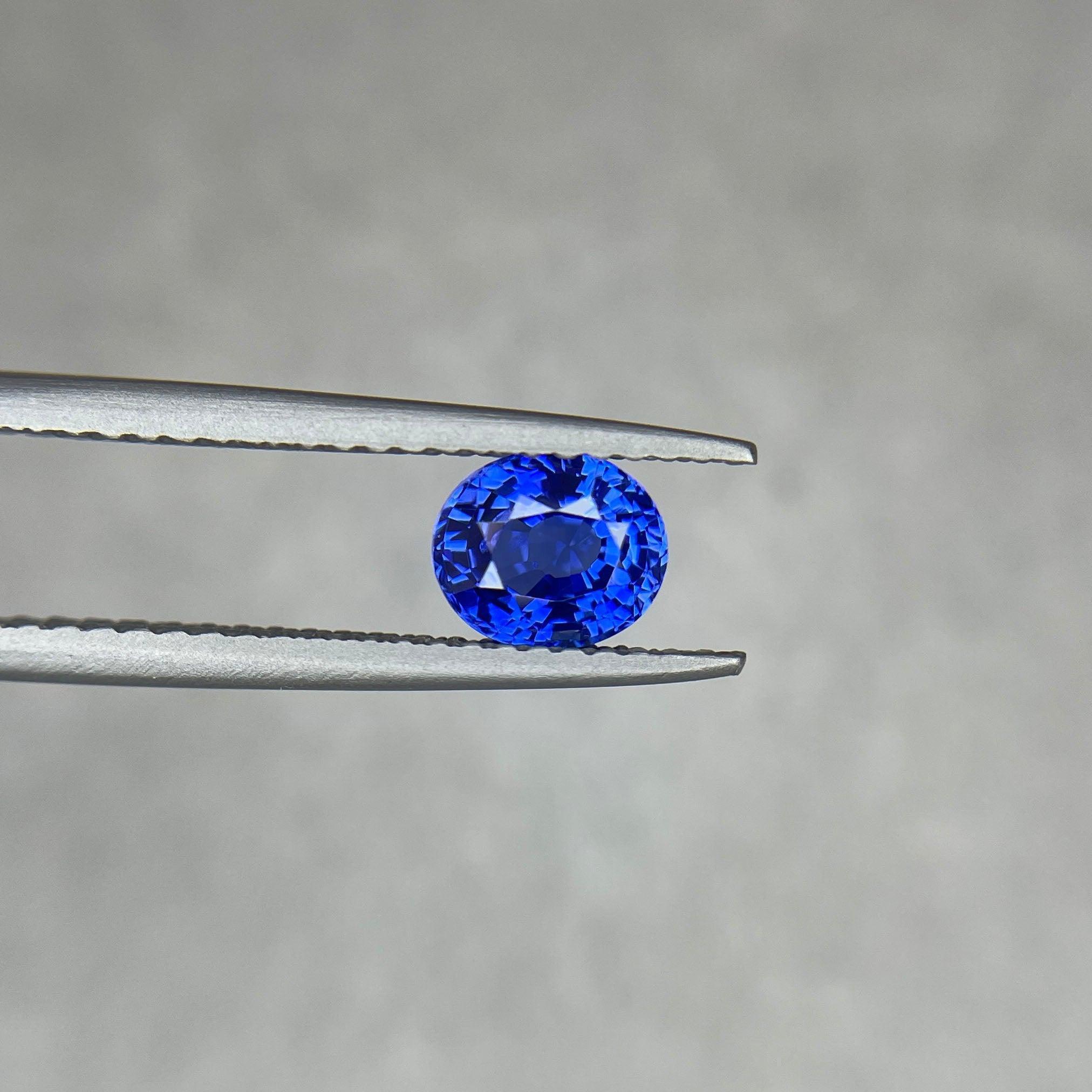
Ceylon Blue Sapphire vs Madagascar Blue Sapphire: Which Is Better?
Ceylon Blue Sapphire vs Madagascar Blue Sapphire: What's the Difference?
Natural blue sapphires from Sri Lanka and Madagascar are among the most sought-after gemstones in today's jewelry market. Both origins produce exceptional sapphires with remarkable beauty, making them popular choices for engagement rings, collectors, and custom jewelry. However, while they belong to the same mineral species—corundum—their appearance, geological history, and market perception can differ.
If you're comparing Ceylon Blue Sapphire vs Madagascar Blue Sapphire, understanding these differences can help you choose the gemstone that best suits your preferences and budget. Rather than asking which origin is universally "better," it's more useful to understand what each source is known for and evaluate individual gemstones on their own merits.
This guide explains the key differences between Ceylon and Madagascar blue sapphires, including color, clarity, rarity, durability, value, and buying considerations.
AI Summary
- Ceylon and Madagascar both produce exceptional natural blue sapphires.
- Ceylon sapphires are widely known for their bright brilliance and lively blue colors.
- Madagascar produces an impressive range of blue sapphires, from lighter blues to rich royal blue tones.
- Origin influences appearance but does not determine overall quality.
- Color, transparency, cut, and certification remain more important than origin alone.
- The best sapphire is always the individual gemstone rather than the country it comes from.
Quick Answer
Ceylon Blue Sapphires are often admired for their bright, lively brilliance and exceptional transparency, while Madagascar Blue Sapphires are known for producing a wide variety of attractive blue hues, including vivid and royal blue colors. Neither origin is universally superior—the quality of the individual gemstone is always the most important factor.
Table of Contents
- Where Do They Come From?
- Geological Formation
- Color Comparison
- Clarity & Transparency
- Value Comparison
- Buying Guide
- Frequently Asked Questions
Where Do Ceylon and Madagascar Sapphires Come From?
Both Sri Lanka and Madagascar are internationally recognised sources of high-quality natural sapphires, but each has a distinct geological history.
Sri Lanka, historically known as Ceylon, has produced gemstones for more than two thousand years and is regarded as one of the world's most important sapphire-producing regions. The island is especially renowned for producing bright, transparent blue sapphires in a wide range of attractive shades.
Madagascar emerged as a significant sapphire source during the late twentieth century and has since become one of the world's leading producers of gem-quality corundum. Its deposits yield sapphires across an impressive spectrum of colors and qualities.
Although these origins differ geographically, both countries continue to produce gemstones suitable for fine jewelry.
How Were These Sapphires Formed?
Both Ceylon and Madagascar sapphires formed naturally over millions of years through geological processes involving heat, pressure, and mineral-rich environments.
Blue sapphire belongs to the mineral species corundum. Its blue color develops when trace amounts of iron and titanium become incorporated into the crystal during growth. Variations in these trace elements contribute to the subtle color differences observed between gemstones from different deposits.
Natural geological variation means that no two sapphires—even from the same mine—are exactly alike.
Color Comparison
Color is the most significant factor influencing the beauty and desirability of a blue sapphire, regardless of origin.
Ceylon sapphires are frequently associated with lively medium to vivid blue hues and exceptional brilliance. Many display the bright, open appearance that has made Sri Lankan gemstones famous worldwide.
Madagascar sapphires exhibit tremendous diversity. Depending on the deposit, they may range from lighter blues to deep royal blue tones with excellent saturation.
One example of a beautifully balanced Ceylon gemstone is our 1.05 ct Natural Ceylon Blue Sapphire, while our Royal Blue Heart Cut Sapphire demonstrates the rich color that many buyers seek in a premium engagement ring.

Clarity & Transparency Comparison
Both Ceylon and Madagascar blue sapphires can display excellent clarity and transparency, although these qualities vary from one gemstone to another rather than being determined solely by origin.
Ceylon blue sapphires are often appreciated for their bright appearance and high transparency, allowing light to pass through the gemstone with exceptional brilliance. This lively character is one reason why Sri Lankan sapphires remain highly sought after for fine jewellery.
Madagascar blue sapphires also produce impressive clarity. Some stones closely resemble sapphires from traditional sources, while others display their own distinctive colour character. Ultimately, clarity should always be evaluated alongside cut, colour, and overall appearance.
| Characteristic | Ceylon Blue Sapphire | Madagascar Blue Sapphire |
|---|---|---|
| Typical Transparency | Excellent | Excellent to Very Good |
| Brilliance | Bright and lively | Often vivid with strong brilliance |
| Colour Variety | Wide range of bright blues | Extensive range from light to deep blue |
| Overall Appearance | Known for openness and brightness | Known for diversity and rich saturation |
Do Both Origins Receive Heat Treatment?
Yes. Blue sapphires from both Sri Lanka and Madagascar may be heated to improve colour and clarity.
Heat treatment is one of the most widely accepted enhancement methods within the gemstone industry and does not alter a sapphire's natural origin. A heated Ceylon sapphire is still a natural Ceylon sapphire, just as a heated Madagascar sapphire remains naturally sourced from Madagascar.
Untreated sapphires are generally less common than heated stones, but treatment status is only one aspect of overall quality. Colour, transparency, cut, and beauty remain equally important considerations.
Durability for Everyday Wear
Both Ceylon and Madagascar blue sapphires are equally suitable for everyday jewellery because they belong to the same mineral species—corundum.
Natural sapphire ranks 9 on the Mohs hardness scale, making it one of the hardest gemstones used in fine jewellery. This excellent durability makes sapphires an outstanding choice for engagement rings and heirloom pieces worn daily.
Regardless of origin, routine care and avoiding hard impacts will help preserve your sapphire's beauty for many years.
Ceylon vs Madagascar Sapphire Comparison
| Feature | Ceylon Blue Sapphire | Madagascar Blue Sapphire |
|---|---|---|
| Country of Origin | Sri Lanka | Madagascar |
| Mining History | More than 2,000 years | Modern commercial production |
| Typical Colour | Bright, lively blues | Broad range of vivid blues |
| Transparency | Often exceptional | Excellent in high-quality stones |
| Durability | Mohs 9 | Mohs 9 |
| Suitability for Engagement Rings | Excellent | Excellent |
| Natural Origin | Yes | Yes |
Does Origin Affect Value?
Origin can influence buyer preference, but it is only one factor affecting a sapphire's desirability and value.
Many collectors appreciate Sri Lankan sapphires because of their long history and reputation for exceptional brilliance. Madagascar has also established itself as one of the world's most important sapphire sources by producing gemstones with outstanding colour and clarity.
Rather than focusing exclusively on origin, experienced buyers evaluate:
- Colour
- Transparency
- Cut quality
- Carat weight
- Treatment disclosure
- Laboratory certification
An exceptional Madagascar sapphire may be more desirable than an average Ceylon sapphire, just as an outstanding Ceylon sapphire may outperform many gemstones from other origins.

Buying Guide
The best sapphire is the individual gemstone that offers the right balance of beauty, quality, and value for your needs.
Before purchasing, consider the following checklist:
- Choose colour before carat weight.
- Evaluate transparency under multiple lighting conditions.
- Review treatment disclosure.
- Request independent laboratory certification.
- Purchase from a trusted gemstone specialist.
- Select a gemstone that appeals to your personal taste rather than relying solely on origin.
If you're considering a custom jewellery project, browse our Natural Blue Sapphire Collection to compare carefully selected loose sapphires suitable for engagement rings and bespoke jewellery.
Our 3.04 ct Natural Blue Sapphire illustrates how an exceptional gemstone can become the centrepiece of a remarkable engagement ring, while our 1.08 ct Octagon Cut Blue Sapphire showcases elegant cutting and natural beauty.
Common Misconceptions
- Ceylon sapphires are not automatically better than Madagascar sapphires.
- Origin alone does not determine gemstone quality.
- Heat treatment does not make a sapphire synthetic.
- Every natural sapphire is unique, even within the same mining region.
- Certification is more reliable than assumptions based on appearance.
Frequently Asked Questions
Which is better: Ceylon or Madagascar blue sapphire?
Neither origin is universally better. The finest choice depends on the individual gemstone's colour, transparency, cut, and overall appearance.
Are Ceylon sapphires rarer than Madagascar sapphires?
Sri Lanka has a much longer gemstone mining history, but rarity depends on the specific gemstone rather than its country of origin alone.
Do Madagascar sapphires make good engagement rings?
Yes. Like Ceylon sapphires, Madagascar sapphires belong to the mineral species corundum and are highly durable for everyday wear.
Can laboratory reports identify sapphire origin?
Some gemological laboratories provide an origin opinion based on advanced testing, although origin determination can occasionally remain inconclusive.
Should I buy based on origin or colour?
Most gemologists recommend prioritising the beauty of the individual gemstone—including colour, transparency, and cut—before considering origin.
Conclusion
Ceylon Blue Sapphires and Madagascar Blue Sapphires are both capable of producing exceptional gemstones suitable for fine jewellery and engagement rings. While Sri Lanka is celebrated for its bright, lively sapphires and centuries of gemological heritage, Madagascar has become one of the world's leading sources of beautiful blue sapphires with remarkable diversity.
Rather than choosing solely based on origin, focus on the qualities that truly determine a sapphire's beauty: colour, transparency, cut, treatment disclosure, and certification. The finest sapphire is ultimately the one that best matches your preferences and stands out on its own merits.
At Nash Gems, we specialise in carefully selected natural blue sapphires chosen for their beauty, quality, and authenticity. Explore our Blue Sapphire Collection to discover exceptional gemstones ready for collectors, jewellery lovers, and custom engagement rings.


