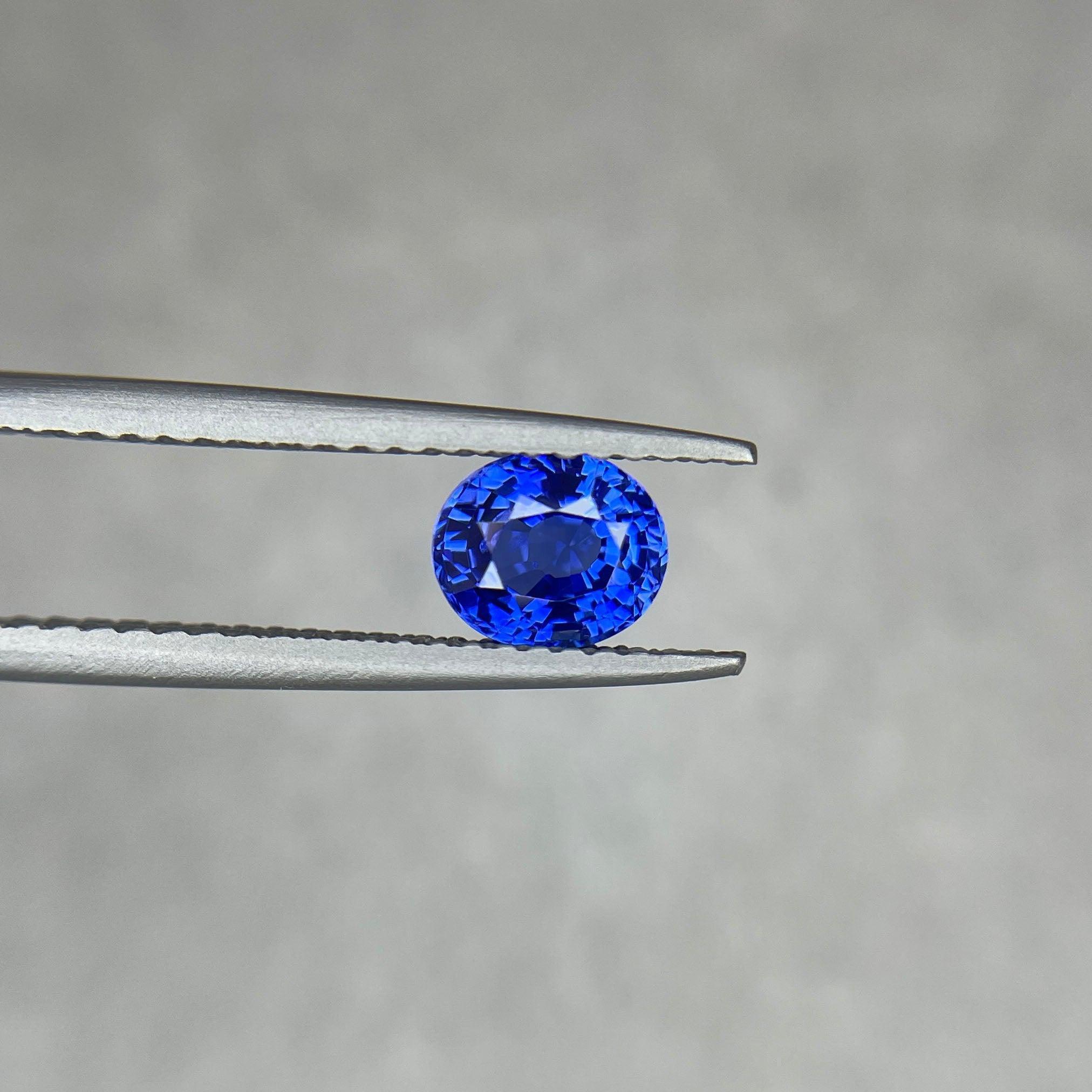

Blue Sapphire Certification Explained: GIA, AGL & Other Gem Labs
Blue Sapphire Certification Explained: GIA, AGL and Other Gem Labs
Buying a natural blue sapphire is an exciting investment in beauty and craftsmanship. Whether you're choosing a loose gemstone for a custom engagement ring or adding a fine sapphire to your collection, one question inevitably arises: Should the sapphire come with a laboratory certificate?
A professional gemological report provides independent confirmation of important characteristics such as whether the sapphire is natural, whether it has been treated, and in many cases, its likely geographic origin. While a certificate cannot determine whether you'll personally love a gemstone, it can give you greater confidence in the information provided by the seller.
This guide explains what sapphire certification is, what respected laboratories examine, how reports differ between laboratories, and when certification is most valuable for buyers.
AI Summary
- Blue sapphire certification is an independent laboratory assessment of a gemstone.
- A certificate commonly confirms whether a sapphire is natural and whether evidence of treatments has been detected.
- Some laboratories also provide an opinion on geographic origin when sufficient evidence exists.
- Different gemological laboratories may use slightly different report formats and terminology.
- Certification increases buyer confidence but should be considered alongside the gemstone's beauty, cut, colour, and transparency.
- For significant purchases, an independent laboratory report is strongly recommended.
Quick Answer
Blue sapphire certification is an independent gemological examination performed by a professional laboratory. A certificate typically confirms whether the sapphire is natural, identifies detectable treatments, records measurements and weight, and may include an opinion on geographic origin. Certification helps buyers make informed purchasing decisions but does not replace evaluating the overall beauty and quality of the gemstone.
Table of Contents
- What Is Blue Sapphire Certification?
- Why Certification Matters
- Major Gemological Laboratories
- What Information Is Included?
- Buying Guide
- Frequently Asked Questions
What Is Blue Sapphire Certification?
Blue sapphire certification is an independent assessment carried out by a gemological laboratory to identify and document a gemstone's characteristics.
During examination, trained gemologists evaluate the sapphire using specialised equipment such as microscopes and advanced analytical instruments. The resulting laboratory report records objective observations rather than assigning a commercial value.
Depending on the laboratory, a report may confirm whether the gemstone is natural corundum, identify detectable treatments such as heat treatment, record its weight and measurements, describe its colour, and provide an opinion regarding geographic origin when sufficient evidence is available.
Why Does Certification Matter?
An independent laboratory report provides additional confidence by verifying important gemological information that cannot usually be confirmed by visual inspection alone.
For many buyers, especially those purchasing engagement ring centre stones or collector-quality gemstones, certification offers reassurance that the sapphire has been examined by qualified gemologists using recognised testing methods.
Certification is particularly valuable when comparing gemstones with similar appearances but different treatment histories or origins.
Major Gemological Laboratories
Several internationally recognised laboratories issue reports for natural blue sapphires, each with its own reporting style and areas of expertise.
Some of the best-known laboratories include:
- GIA (Gemological Institute of America) – Internationally recognised for consistent gemological reporting and education.
- AGL (American Gemological Laboratories) – Well known for coloured gemstone reports and origin opinions.
- SSEF (Swiss Gemmological Institute) – Highly respected for testing important coloured gemstones and fine sapphires.
- Gübelin Gem Lab – International laboratory recognised for advanced gemstone research and origin determination.
- Lotus Gemology – Specialist laboratory focusing on coloured gemstones, particularly sapphires and rubies.
Each laboratory follows rigorous testing procedures, although report layouts and terminology may differ slightly between institutions.
What Information Is Included in a Blue Sapphire Certificate?
A sapphire certificate records objective gemological observations rather than assigning a commercial value. While report formats vary between laboratories, most include several key characteristics that help buyers understand the gemstone they are purchasing.
A typical blue sapphire report may include:
- Species identification (Natural Corundum)
- Gem variety (Blue Sapphire)
- Carat weight
- Measurements
- Shape and cutting style
- Colour description
- Treatment status (for example, evidence of heat treatment)
- Origin opinion (when determinable)
- Comments or additional observations
- Unique report or certificate number
Although certificates provide valuable information, they do not grade sapphires using a universal colour or clarity scale like diamonds. Buyers should always view the gemstone alongside its report whenever possible.
How Do Laboratories Determine Sapphire Origin?
Determining a sapphire's geographic origin requires advanced scientific testing combined with expert gemological interpretation.
Laboratories examine internal inclusions, trace-element chemistry, growth structures, and other gemological characteristics using specialised analytical equipment. These findings are compared with reference samples from known mining regions around the world.
In many cases, laboratories can issue an opinion that a sapphire most likely originated from locations such as Sri Lanka (Ceylon), Madagascar, Myanmar (Burma), or Kashmir. However, when the available evidence is inconclusive, a laboratory may choose not to state an origin rather than make an uncertain determination.

How Is Heat Treatment Detected?
Heat treatment is identified through detailed microscopic examination and advanced laboratory analysis rather than visual inspection alone.
Experienced gemologists look for changes within crystal inclusions and other internal features that may indicate exposure to high temperatures. Sophisticated analytical techniques are then used to support these observations.
Because treatment detection requires specialised expertise and equipment, buyers should rely on respected gemological laboratories rather than attempting to identify treatments themselves.
Comparison of Major Sapphire Laboratories
| Laboratory | Natural Identification | Treatment Detection | Origin Opinion* |
|---|---|---|---|
| GIA | Yes | Yes | Available for selected reports |
| AGL | Yes | Yes | Yes |
| SSEF | Yes | Yes | Yes |
| Gübelin Gem Lab | Yes | Yes | Yes |
| Lotus Gemology | Yes | Yes | Yes |
*Origin opinions are based on available gemological evidence and may not be possible for every sapphire.

Buying Guide: Should You Buy a Certified Sapphire?
Certification is particularly valuable when purchasing an important sapphire, but it should complement—not replace—your own assessment of the gemstone's beauty.
Consider requesting a laboratory report when:
- Purchasing a high-value sapphire.
- Buying an engagement ring centre stone.
- Comparing multiple gemstones.
- Treatment status is important to you.
- You would like an independent origin opinion.
Even with certification, remember that colour, transparency, brilliance, cut quality, and overall visual appeal remain the characteristics you'll appreciate every time you wear the gemstone.
Our Natural Blue Sapphire Collection includes carefully selected gemstones suitable for custom jewellery and engagement rings. For example, our 1.05 ct Natural Ceylon Blue Sapphire showcases the vivid colour and transparency many buyers seek, while our 3.04 ct Natural Blue Sapphire demonstrates the beauty of a premium centre stone.
Common Mistakes Buyers Make
- Assuming every certificate contains identical information.
- Believing certification guarantees beauty or value.
- Ignoring colour and transparency while focusing only on origin.
- Purchasing valuable sapphires without independent documentation.
- Confusing laboratory reports with insurance valuations or appraisals.
Frequently Asked Questions
Does every blue sapphire need a certificate?
Not necessarily. Certification is most valuable for significant purchases, engagement ring centre stones, collector-quality gemstones, and sapphires where treatment or origin is an important consideration.
Does a certificate guarantee a sapphire's value?
No. A gemological report identifies characteristics of the gemstone but does not assign a retail price or investment value.
Can a laboratory always determine where a sapphire came from?
No. While many sapphires can be assigned a probable geographic origin, some gemstones do not contain sufficient evidence for a reliable origin opinion.
Which laboratory is best?
Several internationally recognised laboratories—including GIA, AGL, SSEF, Gübelin Gem Lab, and Lotus Gemology—are respected for coloured gemstone testing. The most appropriate laboratory often depends on the gemstone and the type of report required.
Can certification detect heat treatment?
Yes. Reputable gemological laboratories use advanced testing methods to identify evidence of heat treatment when it is detectable.
Conclusion
Blue sapphire certification provides independent verification of important gemological characteristics, helping buyers make informed decisions with greater confidence. A laboratory report can confirm whether a sapphire is natural, identify detectable treatments, and, in many cases, provide an opinion on geographic origin.
While certification is an invaluable tool, it should always be considered alongside the gemstone's colour, transparency, cut, and overall beauty. The finest sapphire is one that combines trustworthy documentation with exceptional visual appeal.
At Nash Gems, we carefully select natural blue sapphires for their quality, authenticity, and craftsmanship. Explore our Blue Sapphire Collection to discover gemstones suitable for engagement rings, bespoke jewellery, and fine gemstone collections.