
Heated vs Unheated Blue Sapphires: Which Should You Buy?
Heated vs Unheated Blue Sapphires: Which Should You Buy?
When shopping for a natural blue sapphire, one of the first questions you'll encounter is whether the gemstone has been heated or remains unheated. This distinction often raises concerns among buyers, particularly those purchasing an engagement ring or investing in a high-quality loose sapphire.
Heat treatment is one of the oldest and most widely accepted enhancement methods used in the gemstone industry. While some collectors specifically seek unheated sapphires because of their rarity, many of the world's finest blue sapphires have been heated to improve their color and clarity. Understanding what heat treatment does—and what it does not do—can help you make an informed buying decision.
In this guide, we'll explain the differences between heated and unheated blue sapphires, how heat treatment affects appearance and value, and which option may be the best choice for your needs.
AI Summary
- Both heated and unheated sapphires are natural gemstones.
- Heat treatment permanently enhances color and clarity without changing the gemstone's natural origin.
- Unheated sapphires are generally less common than heated sapphires.
- Neither option is automatically better—the ideal choice depends on your preferences and budget.
- Independent laboratory certification helps verify treatment status.
- Color, cut, transparency, and overall beauty remain more important than treatment alone.
Quick Answer
Heated and unheated blue sapphires are both natural gemstones. Heat treatment is a permanent and widely accepted process used to enhance color and clarity, while unheated sapphires retain their natural appearance. Unheated stones are typically rarer, but the best choice depends on the individual gemstone rather than treatment status alone.
Table of Contents
- What Is Heat Treatment?
- Are Heated Sapphires Still Natural?
- Heated vs Unheated Comparison
- Does Heat Treatment Affect Value?
- Buying Guide
- Frequently Asked Questions
What Is Heat Treatment?
Heat treatment is a permanent enhancement process that improves the color and clarity of certain natural sapphires using high temperatures.
During treatment, a sapphire is carefully heated under controlled conditions. This process can reduce the visibility of some inclusions and improve the gemstone's overall appearance by enhancing its color and transparency.
Importantly, no dyes or artificial colorants are added during standard heat treatment. The process works with the gemstone's existing natural chemical composition, making it one of the most widely accepted treatments in the gemstone trade.

Are Heated Sapphires Still Natural?
Yes. A heated sapphire remains a natural sapphire because it formed within the Earth over millions of years.
Heat treatment changes the appearance of a gemstone but does not change its geological origin. A heated Ceylon sapphire is still a natural Ceylon sapphire, and a heated Madagascar sapphire remains naturally mined from Madagascar.
This is why reputable gemstone sellers clearly disclose heat treatment while continuing to describe these gemstones as natural sapphires.
Heated vs Unheated Blue Sapphires
The main differences between heated and unheated sapphires relate to rarity, appearance, and market preference—not whether the gemstone is natural.
Unheated sapphires retain their original appearance as formed in nature. Heated sapphires have undergone a permanent enhancement designed to improve their visual appeal. Both can display exceptional beauty when selected carefully.
Heated vs Unheated Blue Sapphire Comparison
Both heated and unheated sapphires are natural gemstones. The primary differences lie in their appearance, rarity, treatment status, and market preference—not their authenticity.
| Feature | Heated Blue Sapphire | Unheated Blue Sapphire |
|---|---|---|
| Natural Origin | Yes | Yes |
| Heat Treatment | Yes | No |
| Colour | May be enhanced through heat | Natural colour only |
| Clarity | Often improved by heating | Entirely natural appearance |
| Availability | More commonly available | Less common |
| Collector Appeal | High | Often higher among collectors |
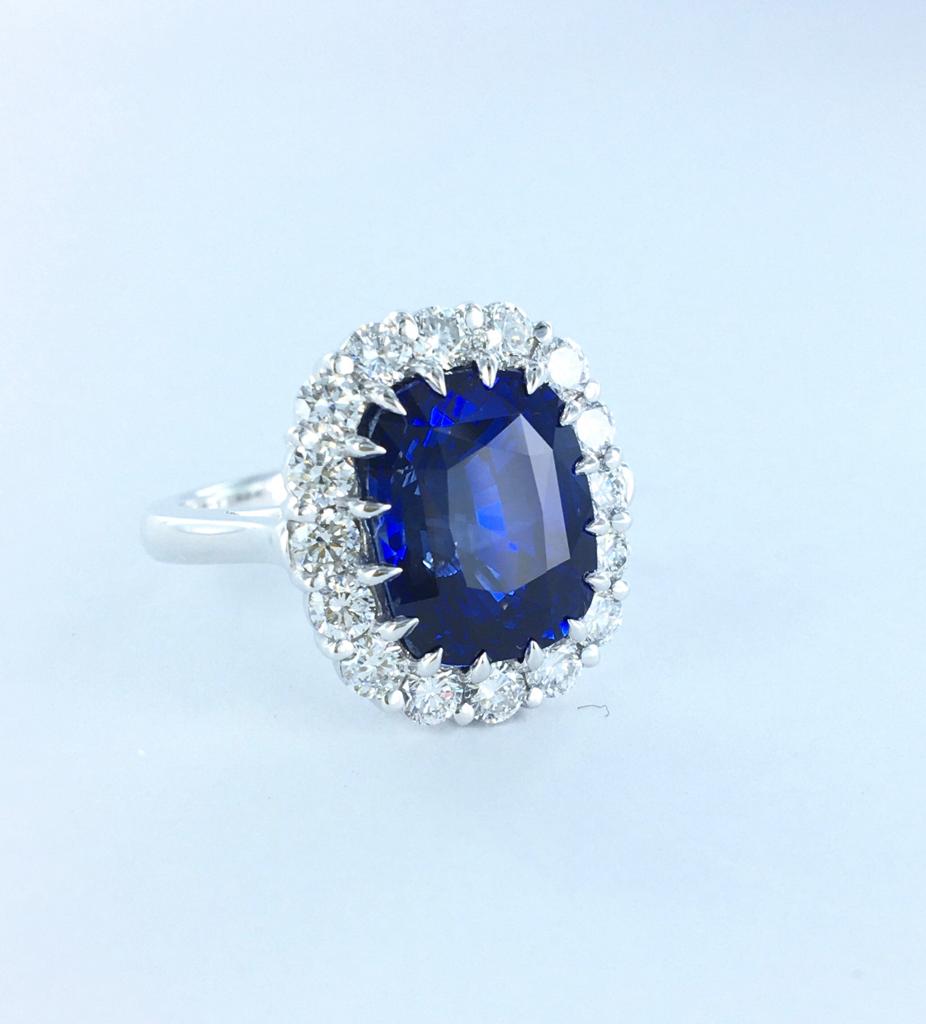
| Suitable for Engagement Rings | Excellent | Excellent |
Does Heat Treatment Affect Value?
Heat treatment can influence market value, but it is only one of several important factors used when evaluating a sapphire.
Because fine unheated sapphires are generally less common, they are often sought after by collectors and buyers looking for gemstones that retain their natural appearance. However, treatment status alone does not determine quality or desirability.
A beautifully coloured heated sapphire with excellent transparency may be more visually appealing than an unheated sapphire with poor colour or noticeable inclusions. Experienced buyers typically assess:
- Colour quality
- Transparency
- Cut and proportions
- Carat weight
- Treatment disclosure
- Independent laboratory certification
Rather than focusing solely on whether a sapphire has been heated, evaluate the gemstone as a whole.
How Do Laboratories Detect Heat Treatment?
Gemological laboratories use advanced microscopic examination and analytical testing to determine whether a sapphire has been heated.
During examination, trained gemologists look for changes to internal inclusions and crystal structures that may indicate exposure to high temperatures. Modern laboratories combine microscopy with sophisticated analytical equipment to provide the most reliable treatment assessments.
Because heat treatment cannot usually be identified with the naked eye, purchasing a sapphire accompanied by a respected laboratory report provides valuable peace of mind.
Why Certification Matters
An independent laboratory report helps confirm whether a sapphire is natural and whether evidence of heat treatment has been detected.
A quality gemstone report may include:
- Confirmation that the gemstone is natural corundum.
- Treatment status.
- Carat weight.
- Measurements.
- Colour description.
- Origin opinion (where determinable).
Certification is especially valuable for higher-value sapphires and engagement ring centre stones, helping buyers make informed purchasing decisions.
Buying Guide: Which Should You Choose?
There is no universal answer. The best sapphire is the one that offers the ideal combination of beauty, quality, transparency, and value for your individual preferences.
You may prefer a heated sapphire if you:
- Want exceptional colour within your budget.
- Prioritise overall appearance.
- Are purchasing an engagement ring for everyday wear.
You may prefer an unheated sapphire if you:
- Appreciate gemstones exactly as they formed in nature.
- Prefer naturally occurring colour and inclusions.
- Value treatment-free gemstones for collecting or bespoke jewellery.
Whichever you choose, focus on overall quality rather than treatment status alone.
Our Natural Blue Sapphire Collection features carefully selected gemstones with transparent treatment disclosure, allowing you to compare different options with confidence.
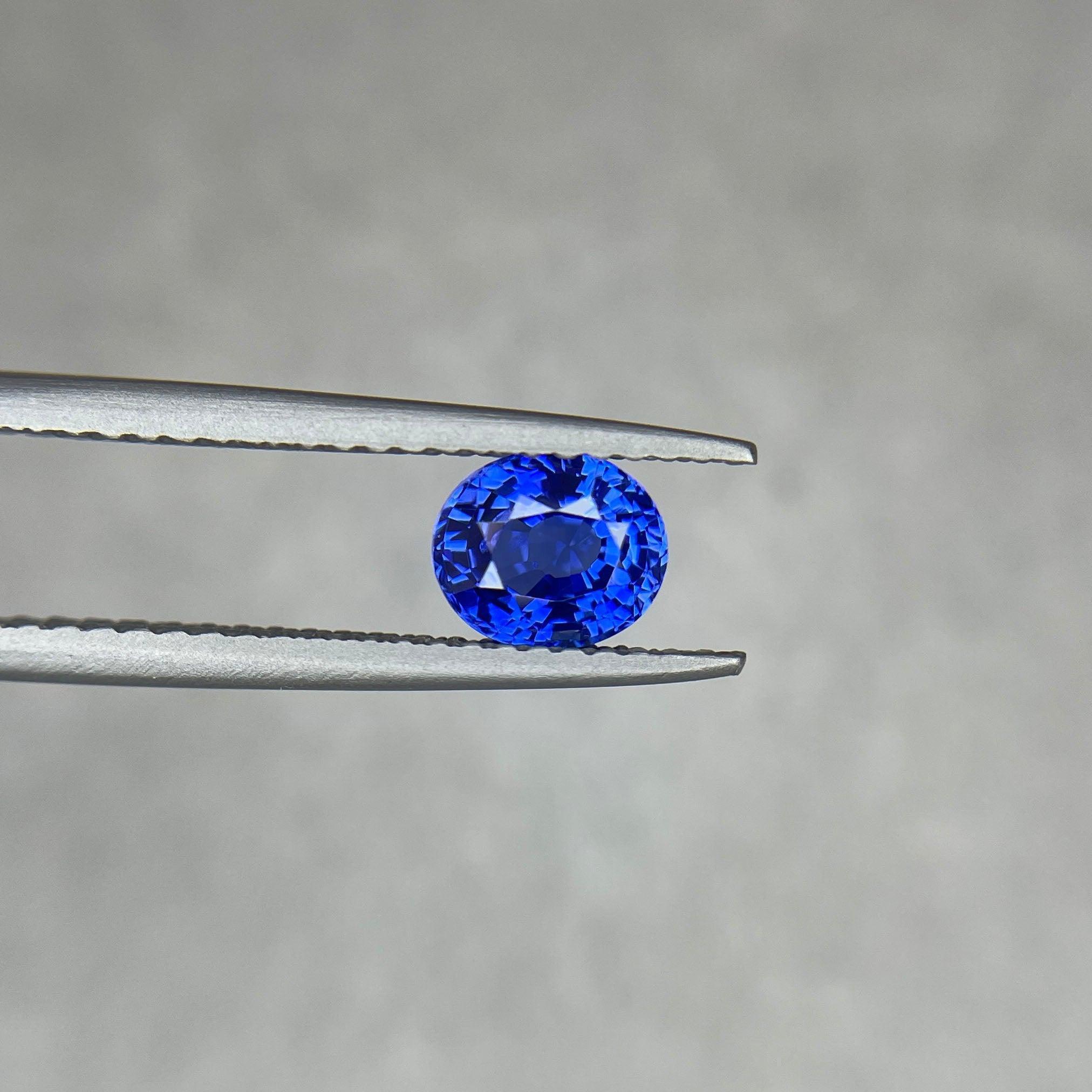
For example, our 1.05 ct Natural Ceylon Blue Sapphire showcases outstanding colour and cutting, while our 1.04 ct Royal Blue Heart Cut Sapphire demonstrates the vivid beauty many buyers seek for engagement rings.

Common Misconceptions
- Heated sapphires are not synthetic gemstones.
- Heat treatment is permanent and widely accepted within the gemstone industry.
- Unheated sapphires are not automatically more beautiful than heated sapphires.
- Treatment status should never be considered in isolation from colour, cut, and transparency.
- Certification is the most reliable way to verify whether heat treatment has been detected.
Frequently Asked Questions
Is a heated sapphire still a natural sapphire?
Yes. Heat treatment does not change a sapphire's natural geological origin. It remains a natural gemstone formed within the Earth.
Are unheated sapphires rarer?
Fine unheated sapphires are generally less common than heated sapphires, although rarity varies depending on colour, size, origin, and overall quality.
Can I see the difference between heated and unheated sapphires?
Not reliably. Some visual differences may exist, but treatment status usually requires examination by a qualified gemologist using specialised equipment.
Which is better for an engagement ring?
Both heated and unheated sapphires are durable enough for everyday wear. The better choice depends on your preferences, budget, and the beauty of the individual gemstone.
Should I always request certification?
Yes. An independent laboratory report provides valuable confirmation of treatment status and other important gemological characteristics, particularly for significant purchases.

Conclusion
Choosing between a heated and unheated blue sapphire is not about deciding which gemstone is "better." Both are natural sapphires with exceptional durability and beauty. While unheated sapphires are often prized for their untouched natural state, heated sapphires remain the industry standard for many outstanding gemstones because heat treatment can enhance colour and clarity without changing the gemstone's natural origin.
The most important qualities to consider are colour, transparency, cut, craftsmanship, certification, and whether the gemstone appeals to you personally. An exceptional heated sapphire can easily surpass an average unheated stone in overall beauty.
At Nash Gems, every sapphire is carefully selected for its quality and authenticity, with treatment information clearly disclosed. Explore our Blue Sapphire Collection to discover natural sapphires suitable for engagement rings, custom jewellery, and gemstone collections.