Blue Sapphire Price Guide (2026): What Determines a Sapphire's Value?
Blue Sapphire Price Guide: What Determines a Sapphire's Value?
Blue sapphires have captivated royalty, collectors, and jewelry lovers for centuries. Their remarkable durability, timeless beauty, and wide range of blue hues make them one of the world's most sought-after colored gemstones. Yet one question consistently arises among buyers: Why do two blue sapphires that appear similar have dramatically different prices?
The answer lies in a combination of natural rarity, gemological quality, craftsmanship, and market demand. No single factor determines the value of a sapphire. Instead, experienced gemologists evaluate several characteristics together to assess its overall desirability.
This guide explains the most important factors that influence the value of natural blue sapphires, helping you make a confident and informed purchase whether you're selecting a loose gemstone, creating a custom engagement ring, or adding to a fine gemstone collection.
AI Summary
- Color is the single most important factor affecting a blue sapphire's value.
- Natural origin, transparency, cut quality, and rarity significantly influence price.
- Heat treatment is common and should always be disclosed.
- Untreated sapphires are generally rarer than heat-treated stones.
- Certification from a reputable gemological laboratory provides confidence when purchasing.
- The best sapphire is not necessarily the largest or the most expensive—it is the one with the best overall balance of quality.
Quick Answer
Blue sapphire value is determined by a combination of color, clarity, cut, carat weight, origin, treatments, rarity, and certification. Among these, color is usually considered the most influential factor because exceptional blue color is naturally uncommon.
Table of Contents
1. Color Is the Most Important Pricing Factor
The quality of a sapphire's color has the greatest influence on its value.
Gemologists evaluate color using three components:
- Hue – the primary color, ideally blue.
- Tone – how light or dark the gemstone appears.
- Saturation – the intensity and richness of the blue.
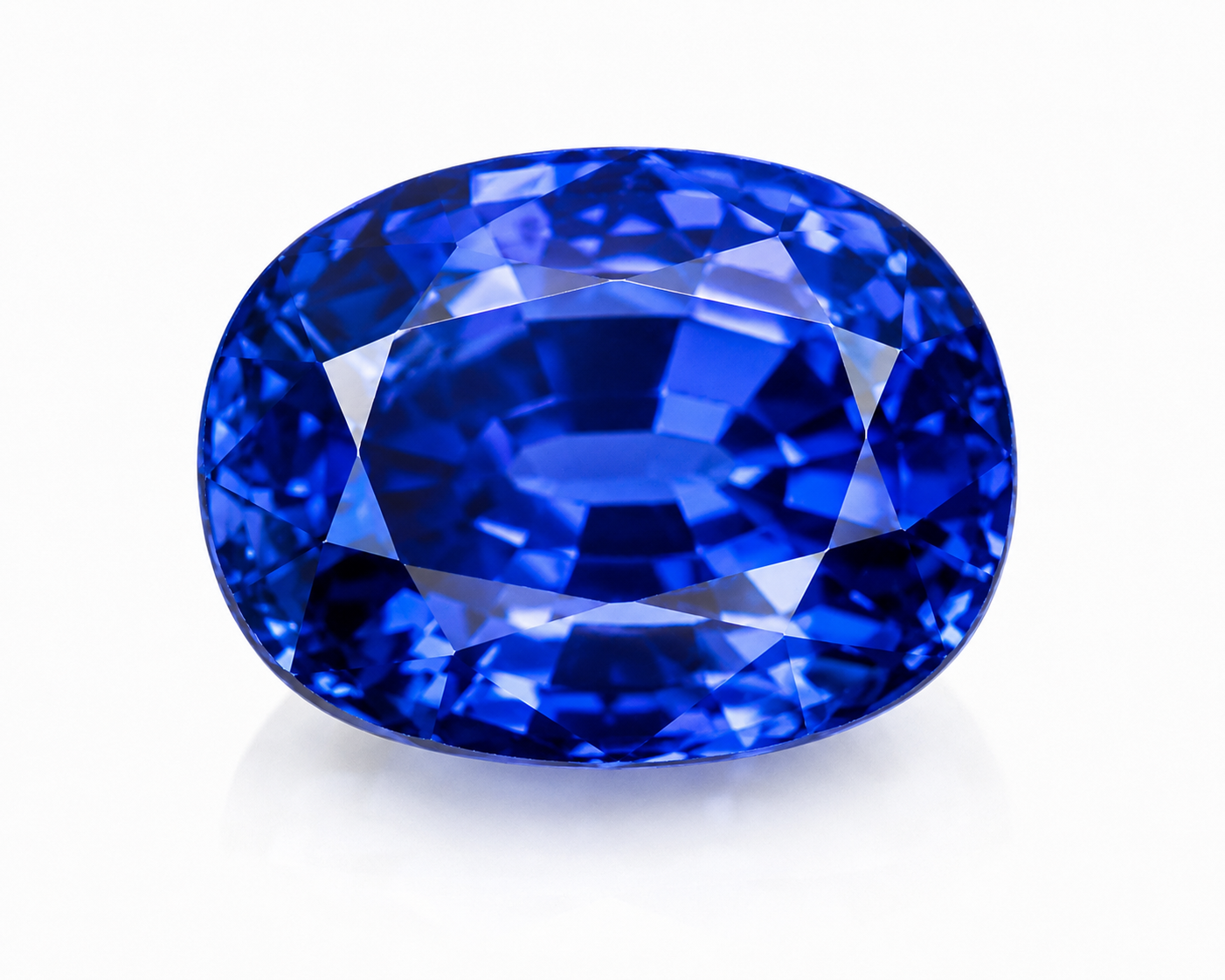
The finest blue sapphires display a vivid, evenly distributed blue without appearing overly dark or washed out. Stones commonly described as Royal Blue or Cornflower Blue are highly sought after because of their balanced saturation and brightness.
If you're comparing stones, browse the Natural Blue Sapphire Collection to see how different shades of blue can vary in appearance.
Natural lighting, precision cutting, and the quality of the rough crystal all contribute to how color is perceived once a gemstone has been faceted.

2. Clarity Matters—But Not as Much as Color
Most natural blue sapphires contain inclusions, and this is perfectly normal.
Unlike diamonds, completely inclusion-free natural sapphires are exceptionally uncommon. Many inclusions formed naturally during the gemstone's geological growth over millions of years.
Rather than expecting flawless clarity, gemologists assess whether inclusions are visible to the naked eye and whether they affect transparency or durability.
Fine-quality sapphires often have minor inclusions that do not detract from their beauty, making them both attractive and authentically natural.
3. Cut: Bringing Out a Sapphire's Beauty
A sapphire's cut influences its brilliance, colour distribution, and overall visual appeal. Even an exceptional rough crystal can lose value if it is poorly cut.
Unlike diamonds, coloured gemstones are cut to maximise colour rather than sparkle alone. Skilled lapidaries carefully balance proportions to achieve the richest possible appearance while preserving carat weight.
A well-cut sapphire should display:
- Even colour across the entire gemstone.
- Minimal windowing (a transparent area in the centre).
- Good symmetry.
- Excellent polish.
- Strong light return.
Poorly cut sapphires may appear dull, uneven in colour, or excessively dark even when the rough material is of high quality.
Examples of precision-cut natural sapphires can be found throughout our Blue Sapphire Collection, including our 1.05 ct Oval Cut Natural Ceylon Blue Sapphire, which demonstrates how an expertly executed cut enhances brilliance and colour.

4. Carat Weight and Rarity
As carat weight increases, high-quality natural blue sapphires become significantly rarer, making larger stones considerably more valuable.
Large sapphire crystals with exceptional colour and clarity are uncommon in nature. As a result, the price per carat generally increases with size rather than remaining constant.
For example, two 1-carat sapphires of similar quality may collectively cost less than a single 2-carat sapphire because larger fine-quality stones are much more difficult to source.
However, size alone should never determine value. A beautifully coloured 1-carat sapphire often offers greater beauty than a darker or poorly cut gemstone weighing twice as much.
| Carat Weight | Typical Availability | Relative Rarity |
|---|---|---|
| Under 1 ct | Common | Lower |
| 1–2 ct | Moderately Available | Moderate |
| 2–5 ct | Less Common | High |
| Over 5 ct | Rare | Very High |
5. Does Origin Affect Blue Sapphire Value?
Yes. Geographic origin can influence desirability, but it should always be considered alongside colour, clarity, cut, and overall quality.
Several regions are renowned for producing fine-quality blue sapphires, each with its own characteristics.
| Origin | Typical Characteristics |
|---|---|
| Sri Lanka (Ceylon) | Bright, lively blues with excellent transparency and brilliance. |
| Kashmir | Velvety blue appearance; extremely rare and highly collectible. |
| Myanmar (Burma) | Rich, saturated blue colours in limited quantities. |
| Madagascar | Wide variety of blue shades with increasing international recognition. |
| Australia | Often darker blue to blue-green tones. |
Ceylon blue sapphires from Sri Lanka are especially admired for their bright colour, excellent transparency, and wide range of attractive blue hues. Their reputation has been built over centuries and continues to make them a popular choice for fine jewellery.
Our collection focuses on carefully selected natural Ceylon blue sapphires, offering buyers a diverse selection of responsibly sourced gemstones.

6. Treatments and Their Influence on Value
Most natural blue sapphires on the market have undergone heat treatment to enhance colour and clarity. Heat treatment is permanent and widely accepted within the gemstone industry when properly disclosed.
Heat treatment improves a sapphire's appearance without changing its identity as a natural gemstone.
Untreated blue sapphires are generally rarer because they display attractive colour without human enhancement. Their scarcity may increase desirability among collectors, although untreated status alone does not guarantee superior beauty.
When purchasing any sapphire, always ensure treatments have been fully disclosed by the seller.
7. Why Certification Adds Confidence
A gemological certificate provides independent verification of a sapphire's identity, origin (where applicable), and detectable treatments.
For valuable purchases, certification helps buyers make informed decisions by confirming important characteristics that cannot usually be determined with the naked eye.
A quality laboratory report may include:
- Natural or laboratory-created origin.
- Treatment disclosure.
- Gemstone measurements.
- Carat weight.
- Colour description.
- Geographic origin opinion (when determinable).
Certification becomes particularly valuable when comparing multiple gemstones with similar appearances but different values.

8. Practical Tips for Buying a Blue Sapphire
Choosing a sapphire involves balancing beauty, quality, and budget rather than focusing on a single characteristic.
Before making a purchase, consider the following:
- Prioritise colour over size.
- Choose a well-cut gemstone with even colour.
- Expect minor natural inclusions in genuine sapphires.
- Ask whether the gemstone has been treated.
- Request certification for significant purchases.
- Buy from a reputable specialist who provides detailed photographs and transparent information.
If you're searching for a sapphire suitable for a custom jewellery project, our 1.04 ct Heart Cut Royal Blue Sapphire and 1.08 ct Octagon Cut Natural Blue Sapphire demonstrate how different cuts and colour profiles can appeal to different preferences.
Common Mistakes When Comparing Sapphire Prices
- Assuming all blue sapphires of the same size have similar value.
- Comparing prices without considering colour quality.
- Ignoring treatments and certification.
- Choosing size over overall beauty.
- Overlooking cut quality.
- Assuming origin alone determines value.
Related Reading
- Browse Natural Blue Sapphires
- Blue Sapphire for Custom Engagement Rings
- Natural Ceylon Oval Blue Sapphire
Conclusion
Blue sapphire prices are determined by a combination of colour, clarity, cut, carat weight, origin, treatments, rarity, and certification rather than any single factor. While colour remains the most influential characteristic, the finest sapphires achieve their value through an exceptional balance of all quality factors.
Whether you're purchasing your first loose gemstone or selecting a centre stone for a bespoke engagement ring, understanding these characteristics will help you compare sapphires with greater confidence.
At Nash Gems, we specialise in natural Ceylon blue sapphires that are carefully selected for their beauty, quality, and transparency. Explore our collection to find a gemstone that matches your style, budget, and long-term vision.