
Natural Blue Sapphire vs Lab-Created Sapphire: Complete Comparison Guide (2026)
Natural Blue Sapphire vs Lab-Created Sapphire: What's the Difference?
If you've started shopping for a blue sapphire, you've likely noticed that some gemstones are described as natural, while others are labelled lab-created, laboratory-grown, or synthetic. At first glance, they can look remarkably similar, making it difficult to understand why their prices, rarity, and desirability differ so significantly.
Understanding these differences is one of the most important steps before purchasing a sapphire, particularly if you're investing in an engagement ring or a fine piece of jewellery intended to last for generations.
In this guide, we'll explain exactly how natural and lab-created blue sapphires differ, how each is produced, how gemological laboratories identify them, and which option is likely to suit your needs.

AI Summary
- Natural blue sapphires formed within the Earth over millions of years.
- Lab-created sapphires are produced in controlled laboratory environments.
- Both have the same chemical composition and hardness.
- Their origin, rarity, value and collectability are very different.
- Natural sapphires generally contain natural inclusions.
- Laboratory reports help verify natural origin and treatments.
- Natural sapphires remain the preferred choice for many collectors and custom engagement rings.
Quick Answer
The biggest difference between a natural blue sapphire and a lab-created sapphire is their origin. Natural sapphires formed naturally inside the Earth over millions of years, while laboratory-created sapphires are grown by people under controlled conditions. Although they share the same mineral composition and durability, their rarity, uniqueness, and long-term appeal differ considerably.
Table of Contents
- What Is a Natural Blue Sapphire?
- What Is a Lab-Created Sapphire?
- Natural vs Lab Comparison
- How They Form
- Do They Look Different?
- Durability
- Value & Rarity
- Which Should You Buy?
- FAQs
What Is a Natural Blue Sapphire?
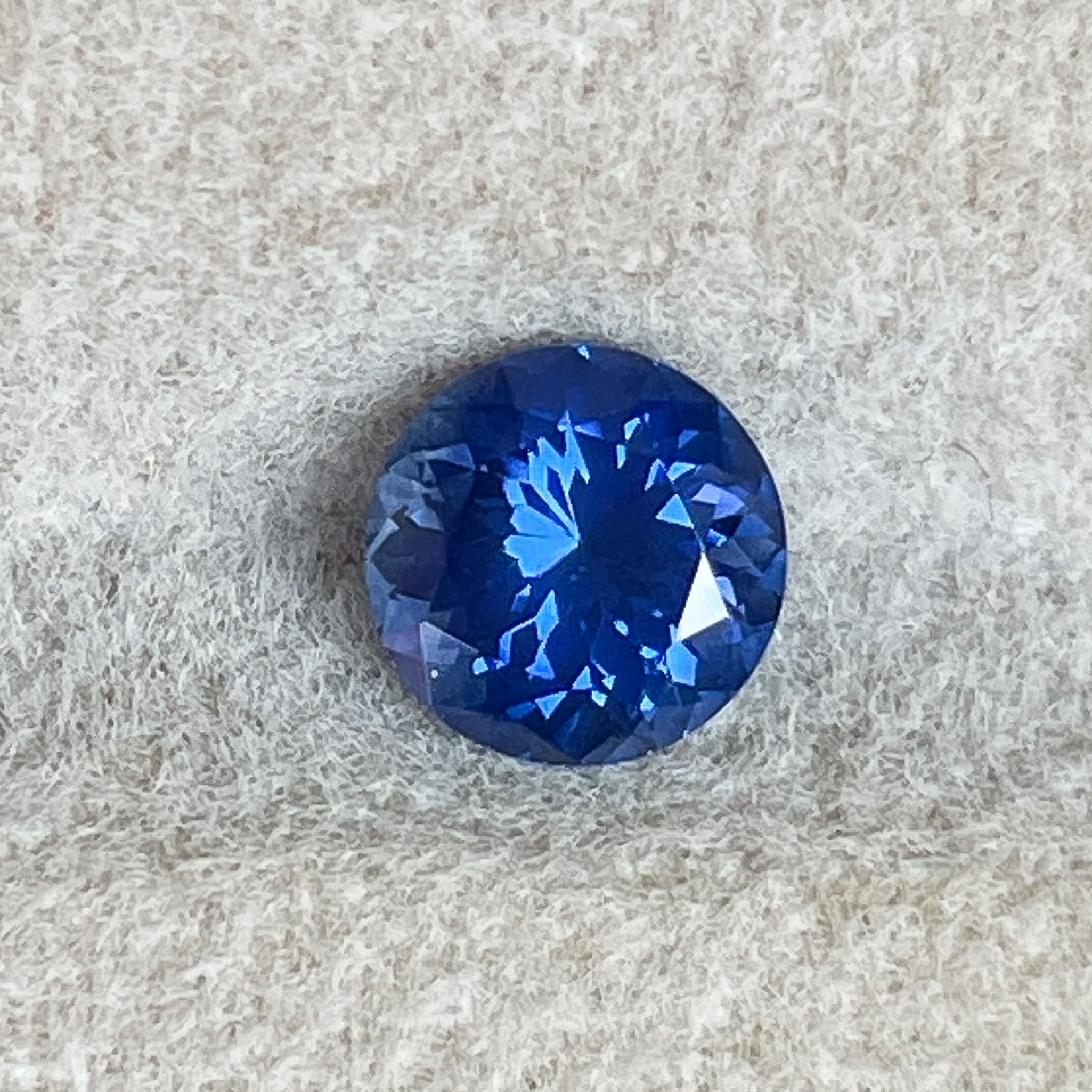
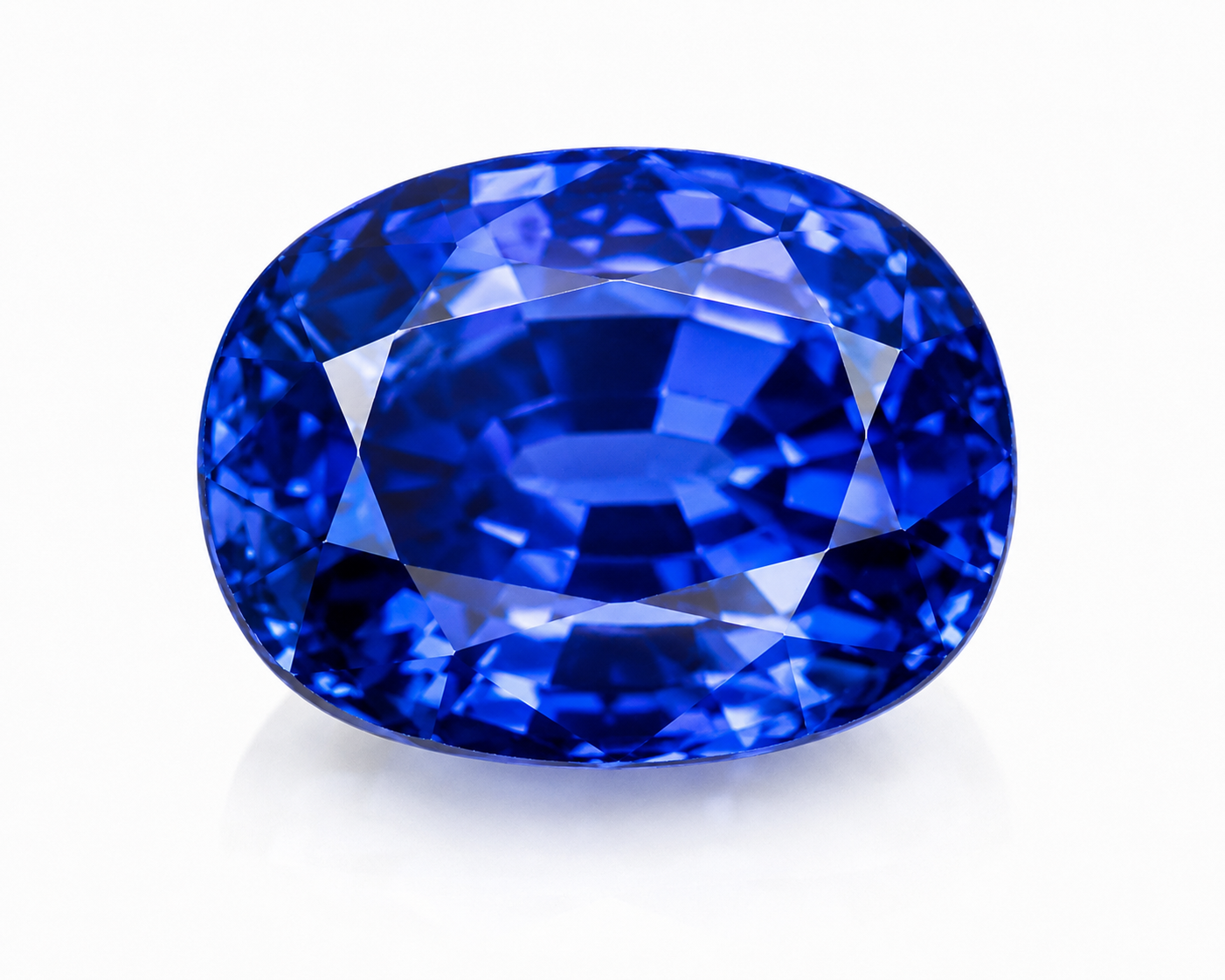
A natural blue sapphire is a variety of corundum that formed naturally through geological processes deep within the Earth.
These gemstones crystallised over millions of years under extreme heat and pressure before eventually being brought closer to the Earth's surface. Every natural sapphire is unique, with its own growth patterns, inclusions, and colour characteristics.
For buyers seeking naturally formed gemstones, explore our Blue Sapphire Collection, which features carefully selected natural sapphires in a range of shapes, sizes, and shades.
What Is a Lab-Created Sapphire?
Lab-created sapphires have the same chemical composition as natural sapphires but are produced in laboratories rather than formed by geological processes.
Manufacturers recreate the conditions necessary for crystal growth using specialised equipment. The resulting gemstone is genuine corundum, but its origin is artificial rather than natural.
Lab-created sapphires are sometimes described as synthetic sapphires. This term refers to their method of creation and should not be confused with imitation gemstones such as blue glass or cubic zirconia.
Natural vs Lab-Created Sapphire at a Glance
| Feature | Natural Sapphire | Lab-Created Sapphire |
|---|---|---|
| Origin | Earth formed | Laboratory grown |
| Chemical Composition | Corundum | Corundum |
| Hardness | 9 Mohs | 9 Mohs |
| Natural Inclusions | Usually present | Different laboratory growth features |
| Rarity | Naturally rare | Manufactured |
| Preferred by Collectors | Yes | Less commonly |
How Natural and Lab-Created Sapphires Form
Although both gemstones are chemically identical, the way they form is fundamentally different.
Natural blue sapphires develop over millions of years as aluminium-rich rocks are subjected to intense heat and pressure within the Earth's crust. Trace amounts of iron and titanium become incorporated into the crystal structure, creating the blue colours that make sapphires so desirable.
Laboratory-grown sapphires are produced using advanced crystal-growing techniques such as the Verneuil (Flame Fusion), Czochralski, Flux Growth, or Hydrothermal methods. These processes recreate the conditions necessary for sapphire crystal formation in a controlled environment, dramatically reducing the time required to grow a gemstone.
The result is a gemstone with the same mineral composition as natural sapphire, but without the geological history that makes every natural stone unique.
Do Natural and Lab-Created Sapphires Look Different?
To the unaided eye, many natural and laboratory-created sapphires can appear very similar. Distinguishing between them usually requires examination by an experienced gemologist using specialised equipment.
Natural sapphires typically contain inclusions that formed during their geological growth. These may include fine mineral crystals, fingerprints, needles, colour zoning, or healed fractures. Such inclusions often help gemologists confirm natural origin.
Laboratory-created sapphires may display curved growth lines, gas bubbles (depending on the growth method), or other synthetic growth features that differ from natural inclusions.
| Characteristic | Natural Sapphire | Lab-Created Sapphire |
|---|---|---|
| Growth Pattern | Natural crystal growth | Artificial crystal growth |
| Inclusions | Natural mineral inclusions | Synthetic growth features |
| Colour | Naturally occurring | Controlled during manufacture |
| Identification | Requires gemological examination | Requires gemological examination |
Are Natural and Lab-Created Sapphires Equally Durable?
Yes. Both natural and laboratory-created sapphires have a hardness of 9 on the Mohs scale, making them among the most durable gemstones used in jewellery.
Both are highly resistant to scratching and suitable for everyday wear in engagement rings, pendants, earrings, and bracelets.
Durability alone should not determine your purchase decision because both gemstones perform exceptionally well during normal wear.

Do Natural Sapphires Receive Treatments?
Yes. Many natural blue sapphires are heat treated to improve colour and clarity. Heat treatment is permanent and widely accepted within the international gemstone trade when fully disclosed.
A heat-treated sapphire remains a natural gemstone because it formed within the Earth. The treatment simply enhances its appearance.
Some natural sapphires are completely untreated. These stones are generally less common and may appeal to collectors seeking gemstones in their natural state.
Regardless of treatment status, transparency is essential. Reputable gemstone dealers should always disclose known treatments before purchase.
Value, Rarity and Long-Term Appeal
Natural blue sapphires are significantly rarer than laboratory-created sapphires because nature cannot reproduce them on demand.
The value of a natural sapphire depends on several factors working together:
- Colour quality
- Transparency
- Cut
- Carat weight
- Treatment status
- Origin
- Overall beauty
- Certification
Laboratory-created sapphires are manufactured under controlled conditions, allowing consistent production of gemstones with similar characteristics. Because supply is not limited by geology, they do not possess the same level of natural rarity.
Many buyers who are looking for a unique gemstone with its own geological history choose natural sapphires. Those seeking an affordable gemstone with similar physical properties may consider a laboratory-created alternative.
Why Certification Matters
An independent laboratory report helps verify whether a sapphire is natural or laboratory-created and may also identify detectable treatments.
For important purchases, certification provides confidence and transparency.
Depending on the laboratory, a report may include:
- Confirmation of natural or laboratory-created origin
- Treatment disclosure
- Measurements
- Weight
- Geographic origin opinion (where applicable)
Well-recognised gemological laboratories include GIA and respected international coloured gemstone laboratories.

Which Should You Buy?
The right choice depends on your priorities, budget, and what you value most in a gemstone.
| If You Want... | Recommended Choice |
|---|---|
| A naturally formed gemstone | Natural Sapphire |
| A unique geological history | Natural Sapphire |
| A gemstone for a custom heirloom ring | Natural Sapphire |
| A lower-cost alternative | Lab-Created Sapphire |
| Collectability | Natural Sapphire |
If you're searching for a naturally formed gemstone for a custom jewellery project, browse our Natural Blue Sapphire Collection.
Popular examples include our 1.05 ct Oval Cut Natural Ceylon Blue Sapphire, 1.04 ct Heart Cut Royal Blue Sapphire, 1.08 ct Octagon Cut Blue Sapphire, and our 3.04 ct Blue Sapphire suitable for engagement jewellery.
Common Misconceptions
- Lab-created sapphires are not imitation gemstones—they are genuine corundum.
- Heat-treated sapphires are still natural gemstones.
- Natural sapphires are not always flawless.
- A larger sapphire is not necessarily a better sapphire.
- Origin alone does not determine quality.
Frequently Asked Questions
Is a lab-created sapphire a real sapphire?
Yes. It is genuine corundum with the same chemical composition as natural sapphire. The difference lies in its origin rather than its chemistry.
Can a jeweller tell the difference?
Experienced gemologists using specialised equipment can usually identify whether a sapphire is natural or laboratory-created by examining its internal growth characteristics.
Which sapphire is better for an engagement ring?
Both are durable enough for everyday wear. Buyers seeking rarity, uniqueness, and naturally formed gemstones often choose natural sapphires.
Are natural sapphires always untreated?
No. Heat treatment is common and accepted when properly disclosed.
Do lab-created sapphires scratch easily?
No. Like natural sapphires, they have a Mohs hardness of 9 and are highly resistant to scratching.

Final Thoughts
Natural and laboratory-created blue sapphires share the same mineral composition and exceptional durability, but they offer different experiences as gemstones. A natural sapphire carries a geological history spanning millions of years, unique internal characteristics, and natural rarity that many buyers value. A laboratory-created sapphire provides similar physical properties through modern manufacturing techniques.
Whichever option you choose, understanding origin, treatments, certification, and overall quality will help you make a confident and informed purchase.
At Nash Gems, we specialise in carefully selected natural sapphires with transparent treatment disclosure and detailed photography, helping customers choose gemstones with confidence for engagement rings, fine jewellery, and personal collections.