Blue Sapphire Color Guide: Royal Blue, Cornflower Blue & More (2026)
Blue Sapphire Color Guide: Royal Blue, Cornflower Blue & More
Blue sapphires are celebrated for their remarkable range of blue hues, from delicate pastel tones to deep, velvety royal blues. While many people assume all blue sapphires look alike, the truth is that colour is one of the most important factors affecting a sapphire's beauty, rarity, and desirability.
Whether you're searching for a loose gemstone, designing a custom engagement ring, or adding to a gemstone collection, understanding the differences between sapphire colours can help you choose a stone you'll enjoy for years to come.
In this guide, we'll explore the most popular blue sapphire colours, explain what creates these beautiful shades, and discuss how colour influences value and buying decisions.
AI Summary
- Colour is the single most important quality factor in a blue sapphire.
- Royal Blue and Cornflower Blue are among the most sought-after colour descriptions.
- Hue, tone, and saturation work together to determine overall beauty.
- Natural lighting is essential when evaluating sapphire colour.
- Origin can influence colour, but every sapphire should be judged individually.
- The best sapphire is the one with the most balanced and attractive colour to your eye.
Quick Answer
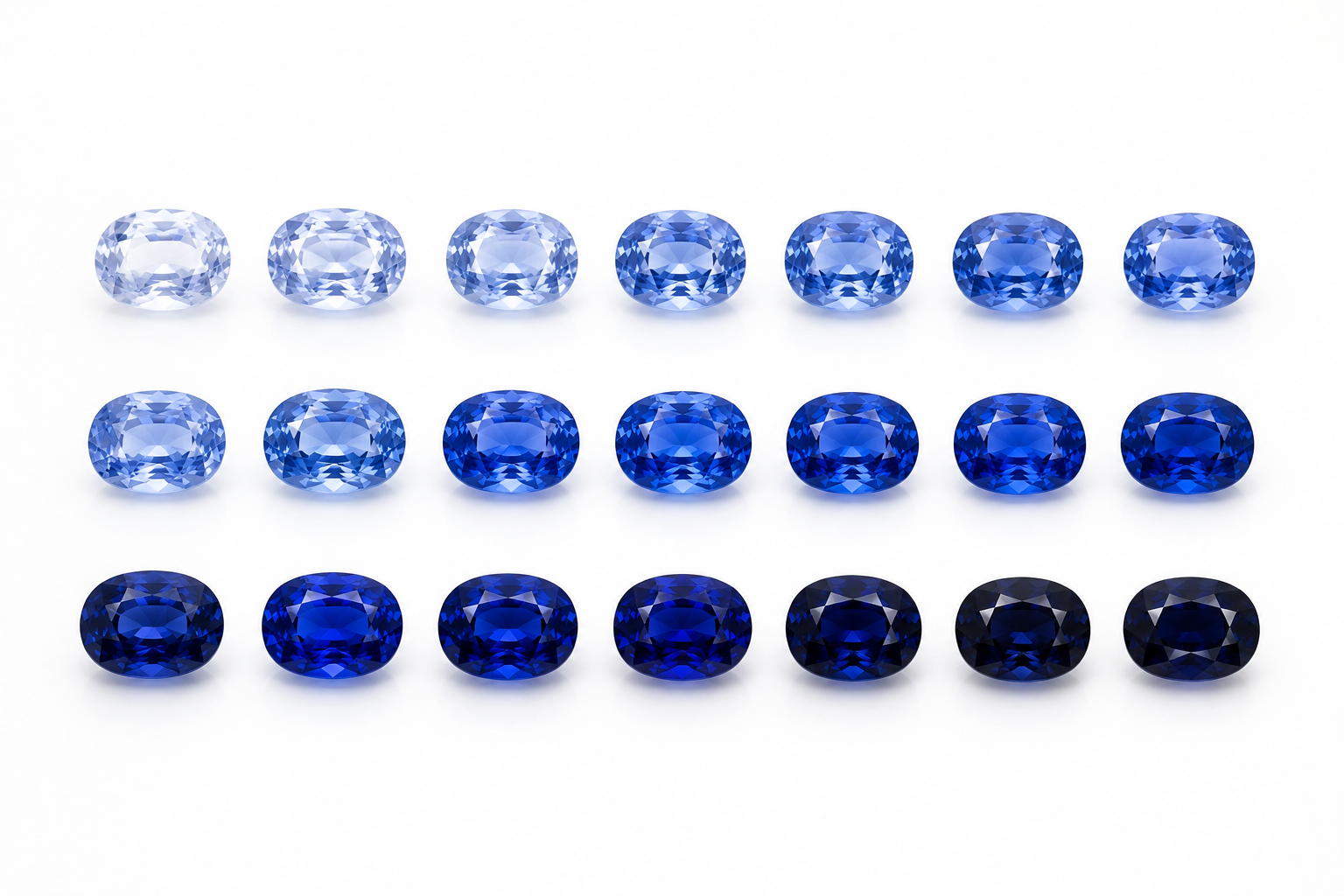
Blue sapphires occur in many shades, including Royal Blue, Cornflower Blue, vivid blue, medium blue, and deep blue. The finest stones combine a pure blue hue with strong saturation and excellent transparency, creating a vibrant appearance without looking too dark or too light.
Table of Contents
- What Creates Blue Sapphire Color?
- Royal Blue Sapphire
- Cornflower Blue Sapphire
- Other Blue Sapphire Colors
- Does Origin Affect Color?
- Choosing the Right Color
- Frequently Asked Questions
What Creates Blue Sapphire Color?
The blue colour in sapphire is created by trace amounts of iron and titanium within the mineral corundum.
As these elements interact during crystal formation, they produce the rich blue hues associated with natural sapphires. Differences in geological conditions, trace element concentrations, and crystal growth result in a wide spectrum of blue colours.
Gemologists evaluate sapphire colour using three primary characteristics:
- Hue – the dominant blue colour.
- Tone – how light or dark the gemstone appears.
- Saturation – the intensity and purity of the blue.
The finest blue sapphires display an attractive balance of all three characteristics.
Royal Blue Sapphire
Royal Blue is one of the most recognised and desirable colour descriptions for blue sapphires.
Royal Blue sapphires display a rich, vivid blue with excellent saturation while maintaining enough brightness to reveal the gemstone's brilliance. The colour appears bold and luxurious without becoming excessively dark.
Many engagement ring buyers are drawn to Royal Blue sapphires because of their timeless appearance and striking visual impact.
One excellent example is our 1.04 ct Heart Cut Royal Blue Sapphire, which showcases the vivid colour that has made this shade one of the most admired in fine jewellery.

Cornflower Blue Sapphire
Cornflower Blue sapphires are prized for their soft yet vibrant blue appearance.
Often associated with some of the world's finest sapphires, Cornflower Blue combines medium tone with vivid saturation, producing a bright, velvety appearance that remains lively under different lighting conditions.
Unlike darker blues, Cornflower Blue typically reflects more light, creating a fresh and elegant look that appeals to many collectors and jewellery lovers.

Other Popular Blue Sapphire Colors
Beyond Royal Blue and Cornflower Blue, natural sapphires occur in a wide range of attractive blue shades. Each has its own character, and the best choice ultimately depends on personal preference.
Natural blue sapphires are not limited to one "perfect" colour. Geological conditions during formation influence the balance of iron and titanium within the crystal, producing subtle differences in hue, tone, and saturation.
| Color Description | Characteristics | Typical Appeal |
|---|---|---|
| Royal Blue | Rich, vivid blue with strong saturation | Luxury jewellery and engagement rings |
| Cornflower Blue | Bright medium blue with velvety appearance | Collectors and fine jewellery |
| Vivid Blue | Highly saturated bright blue | Modern jewellery |
| Medium Blue | Balanced brightness and tone | Versatile everyday jewellery |
| Deep Blue | Darker blue with dramatic appearance | Bold statement pieces |
| Steel Blue | Slight grey-blue undertone | Unique contemporary designs |
| Light Blue | Soft pastel appearance | Elegant minimalist jewellery |
No single colour is "best" for everyone. The ideal sapphire is one that combines attractive colour, excellent transparency, and strong visual appeal while matching your personal style.

Does Sapphire Origin Affect Color?
Yes, origin can influence colour characteristics, although every sapphire should be judged on its individual beauty rather than its geographic source alone.
Different mining regions are known for producing certain colour tendencies, but natural variation means two sapphires from the same country can still appear very different.
| Origin | Typical Colour Characteristics |
|---|---|
| Sri Lanka (Ceylon) | Bright, lively blues with excellent brilliance and transparency |
| Kashmir | Soft velvety Cornflower Blue appearance |
| Myanmar (Burma) | Rich saturated royal blue tones |
| Madagascar | Wide range of vivid blue shades |
| Australia | Often darker blue to blue-green colours |
Ceylon blue sapphires from Sri Lanka have earned an international reputation for their lively brilliance and beautiful range of blue colours. Their exceptional transparency allows light to move freely through the gemstone, giving many stones an attractive brightness.
Browse our Natural Blue Sapphire Collection to compare the unique colour variations found in carefully selected Ceylon sapphires.
How Color Influences Value
Colour is generally considered the single most important factor affecting a natural blue sapphire's desirability and value.
Gemologists evaluate more than simply whether a sapphire is dark or light. Instead, they assess the balance between:
- Hue (the primary blue colour)
- Tone (lightness or darkness)
- Saturation (colour intensity)
- Transparency
- Colour distribution
The finest sapphires display vivid, evenly distributed blue colour without appearing overly dark or excessively pale.
While Royal Blue and Cornflower Blue are among the most recognised colour descriptions, many beautiful sapphires outside these categories offer exceptional beauty and excellent value.

Choosing the Right Blue Sapphire Color
The best sapphire colour is the one that suits your personal taste while offering an attractive balance of colour, brilliance, and overall quality.
Before making your decision, consider the following:
- View the gemstone in different lighting conditions.
- Prioritise colour over carat weight.
- Choose excellent transparency.
- Look for even colour distribution.
- Consider how the sapphire will appear in your chosen jewellery setting.
- Request certification for significant purchases.
If you're looking for inspiration, our 1.05 ct Oval Cut Natural Ceylon Blue Sapphire displays a classic elegant blue, while the 1.08 ct Octagon Cut Blue Sapphire demonstrates how cut can enhance colour presentation.
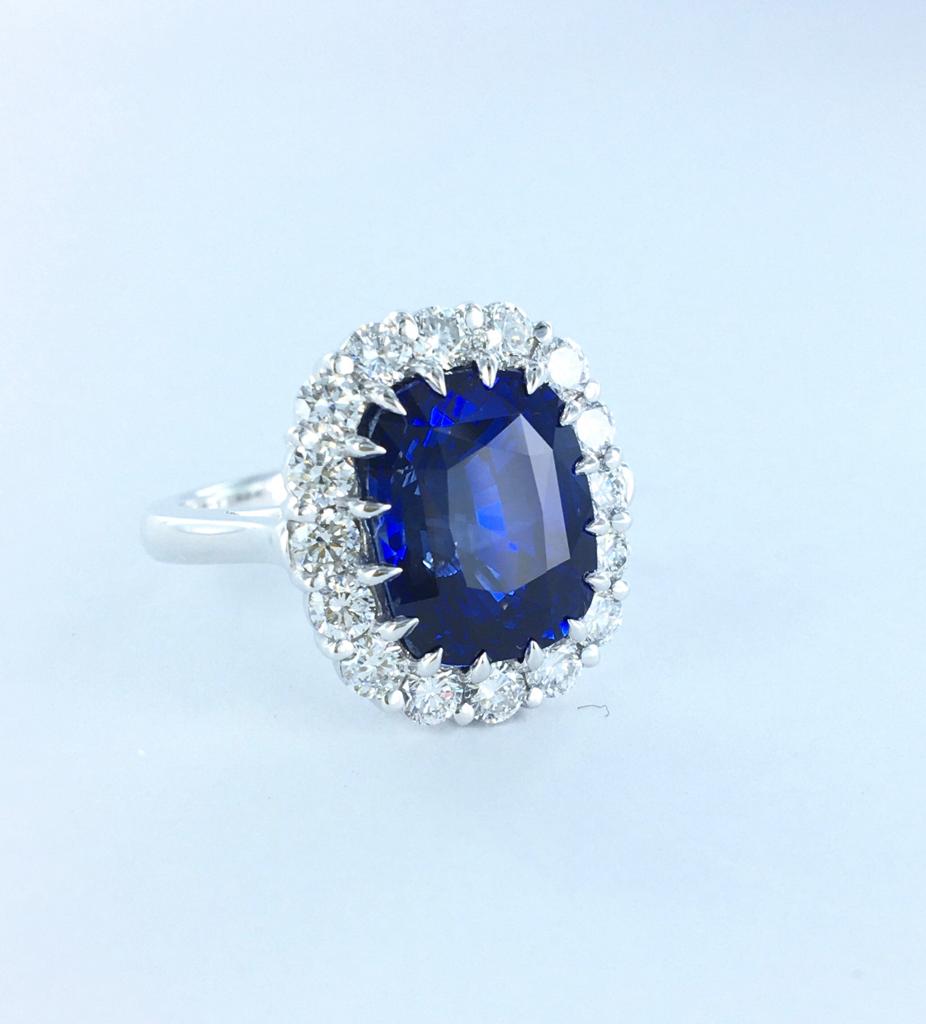
For engagement rings, our 3.04 ct Natural Blue Sapphire illustrates how a larger gemstone can showcase exceptional colour in a statement setting.
Common Misconceptions About Sapphire Color
- Darker blue does not always mean higher quality.
- Every Royal Blue sapphire looks different.
- Origin alone does not determine beauty.
- Natural colour variation is completely normal.
- The most expensive sapphire is not necessarily the most attractive to every buyer.
Frequently Asked Questions
What is the most valuable blue sapphire colour?
Many gemologists consider vivid Royal Blue and fine Cornflower Blue among the most desirable colour descriptions when accompanied by excellent transparency, cut, and overall quality.
What is the difference between Royal Blue and Cornflower Blue?
Royal Blue typically displays deeper, richer saturation, while Cornflower Blue generally appears brighter, softer, and slightly lighter with a velvety appearance.
Are lighter blue sapphires less valuable?
Not necessarily. Overall beauty depends on the balance of hue, tone, saturation, transparency, and cut rather than tone alone.
Does lighting change sapphire colour?
Yes. Natural daylight, indoor lighting, and warm artificial light can all influence how a sapphire appears. Viewing a gemstone under multiple lighting conditions is recommended before purchase.
Can two Ceylon sapphires have different colours?
Absolutely. Every natural sapphire is unique, even when sourced from the same region.
Conclusion
Blue sapphires offer an extraordinary range of colours, from soft Cornflower Blue to rich Royal Blue and everything in between. Understanding how hue, tone, and saturation interact helps buyers appreciate why every natural sapphire has its own unique character.
Whether you prefer a vivid Royal Blue gemstone, a bright Cornflower Blue sapphire, or another beautiful shade, the finest choice is one that combines attractive colour, excellent transparency, and expert cutting.
At Nash Gems, we specialise in carefully selected natural Ceylon blue sapphires that showcase the remarkable diversity of colours created by nature. Explore our Blue Sapphire Collection to discover the shade that best matches your style and vision.