
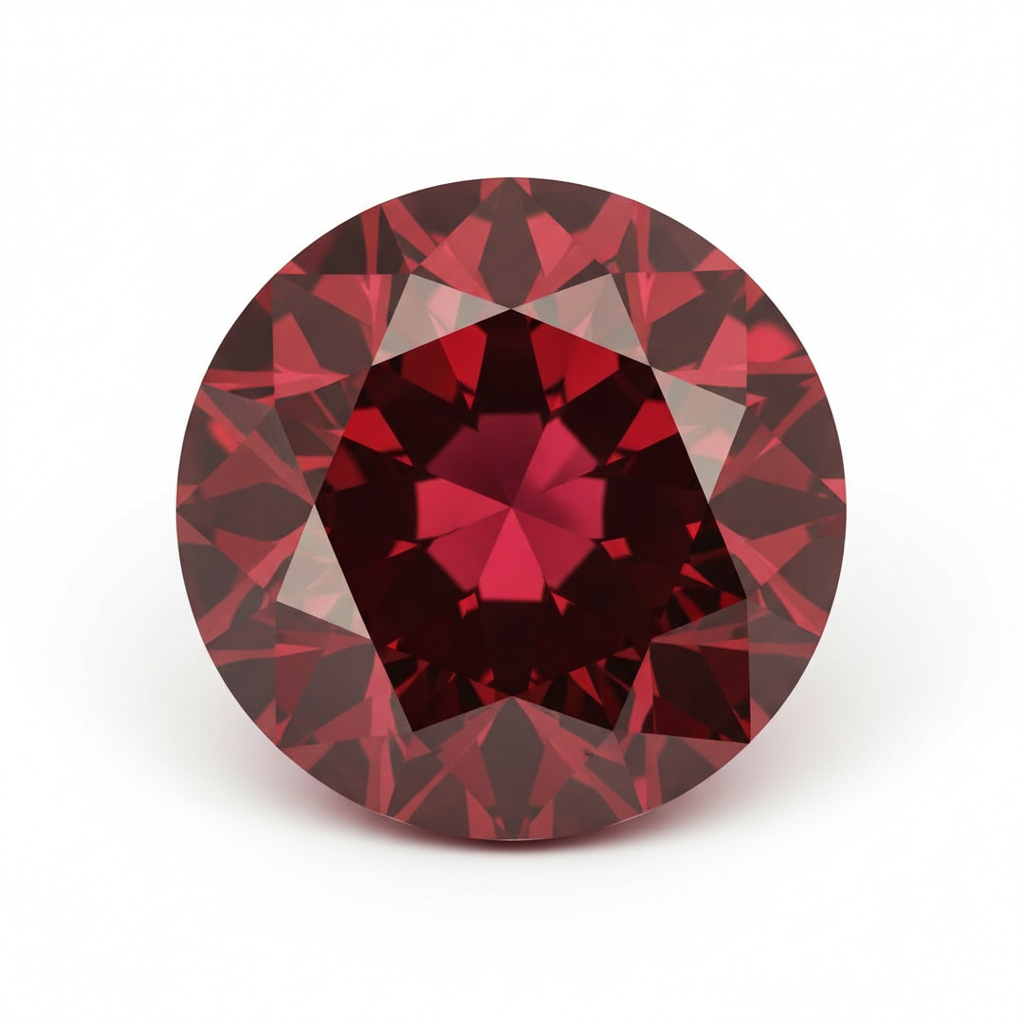
Natural Ruby
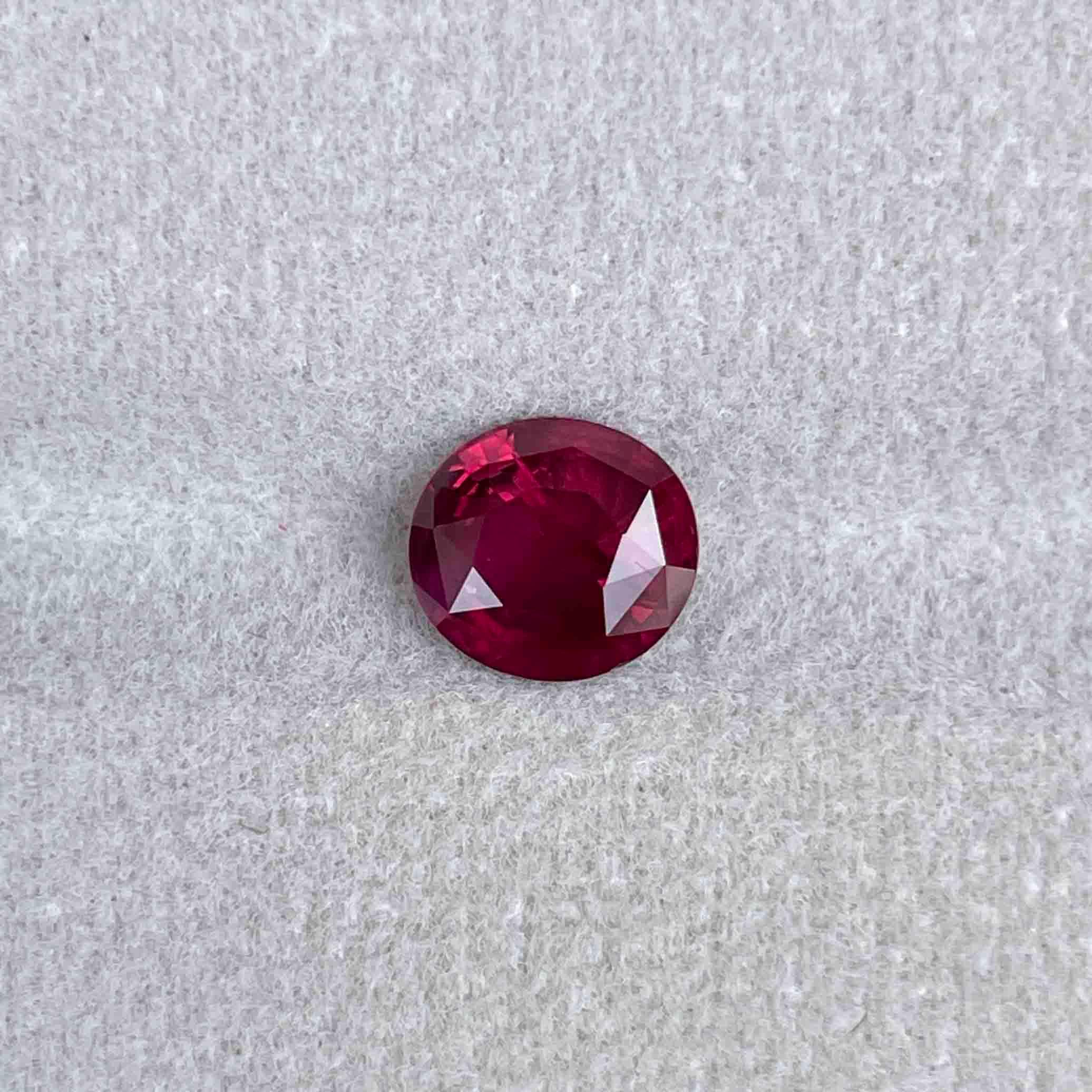
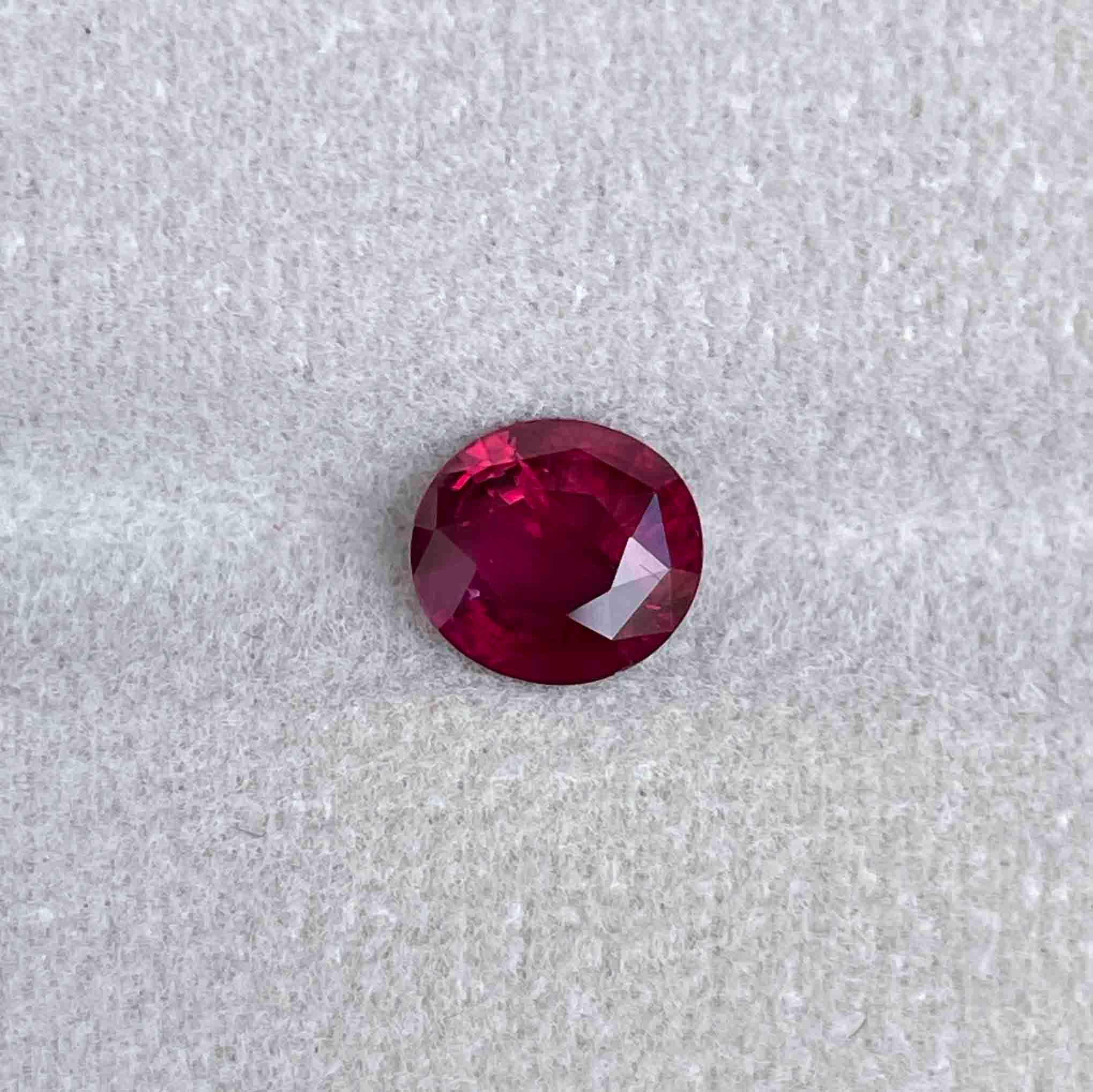
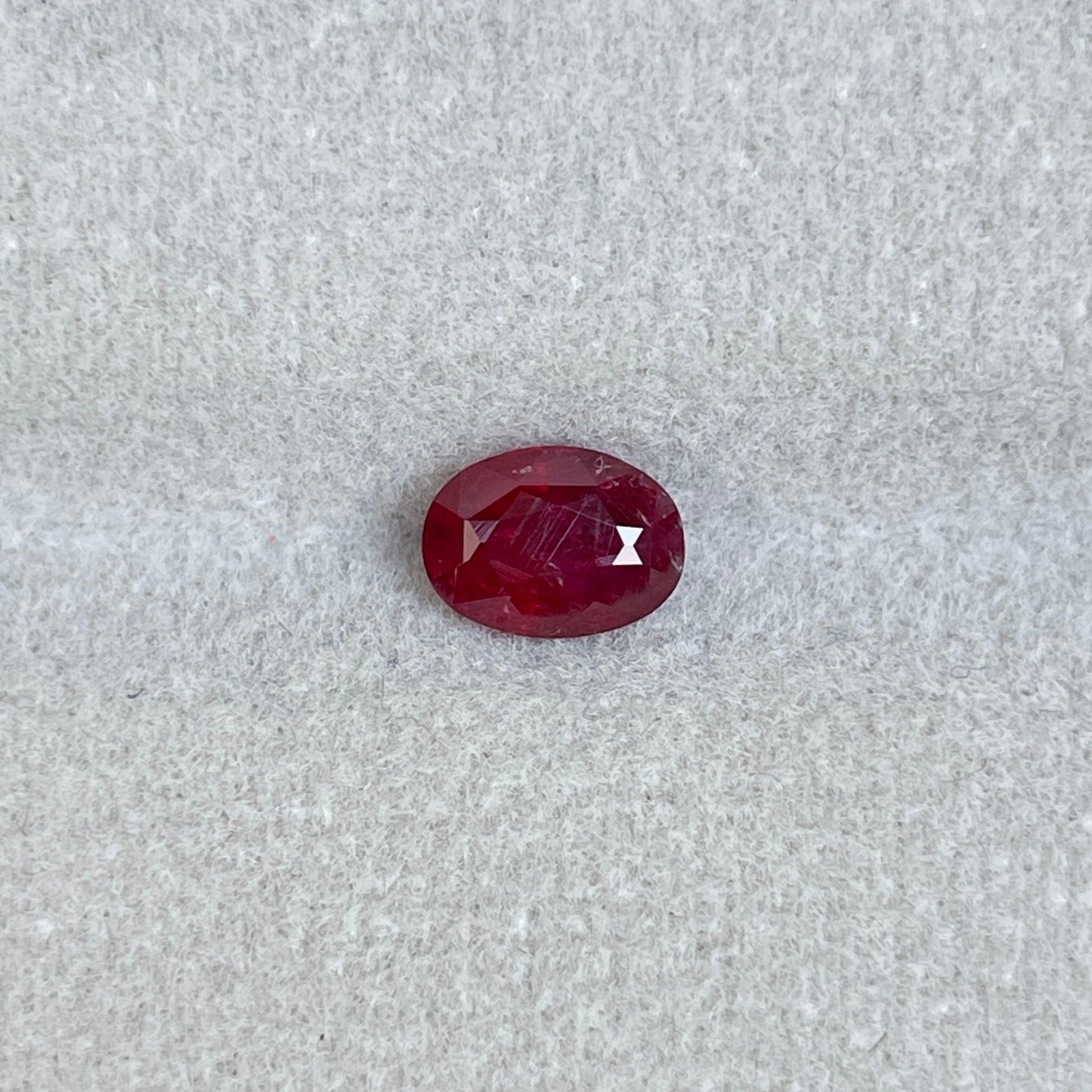


Natural Loose Sapphires for Engagement Rings
Browse our collection of natural sapphires including Ceylon, unheated, and rare colour stones. Each gemstone is carefully selected and suitable for custom jewellery.
Natural Ruby Gemstones – Certified & Ethically Sourced
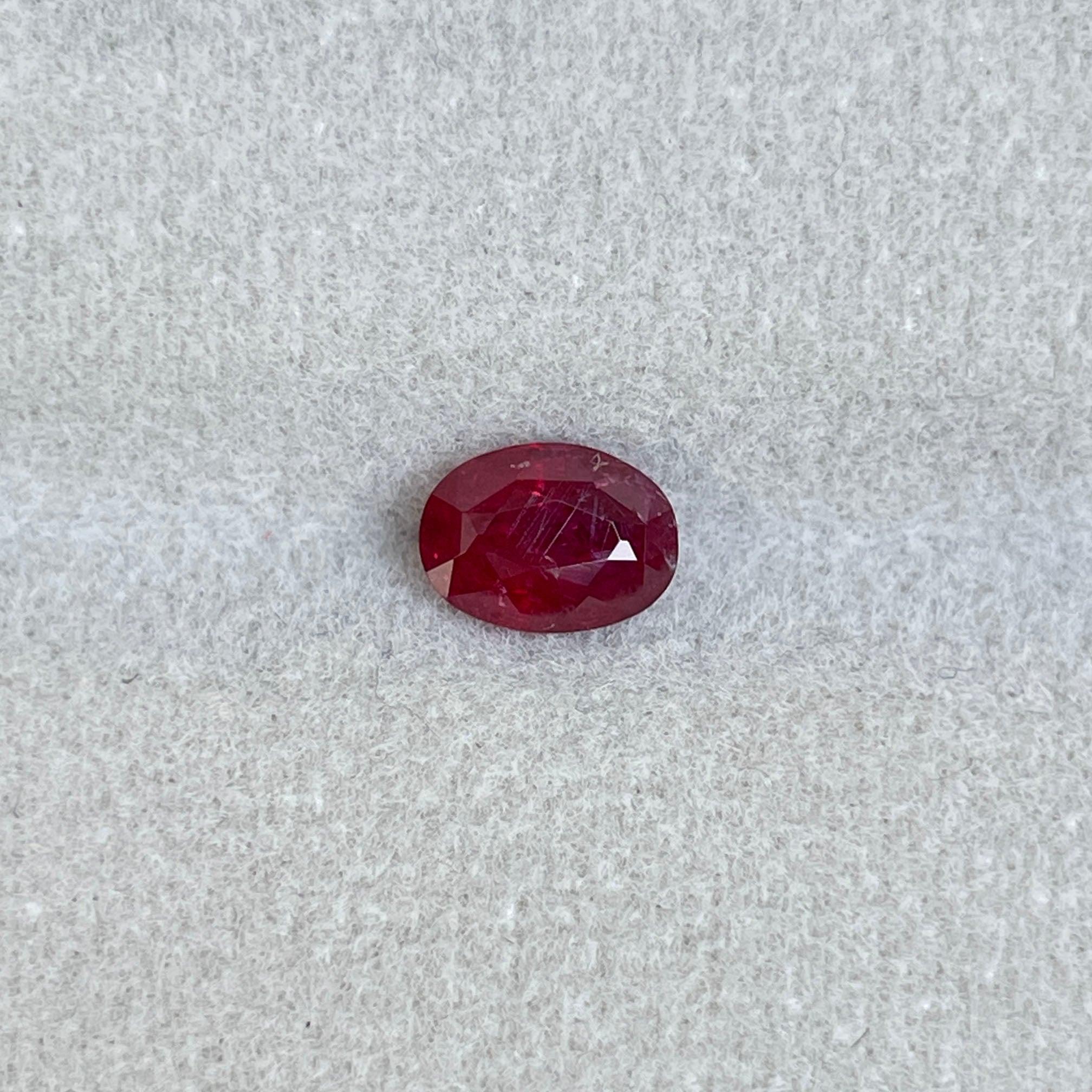
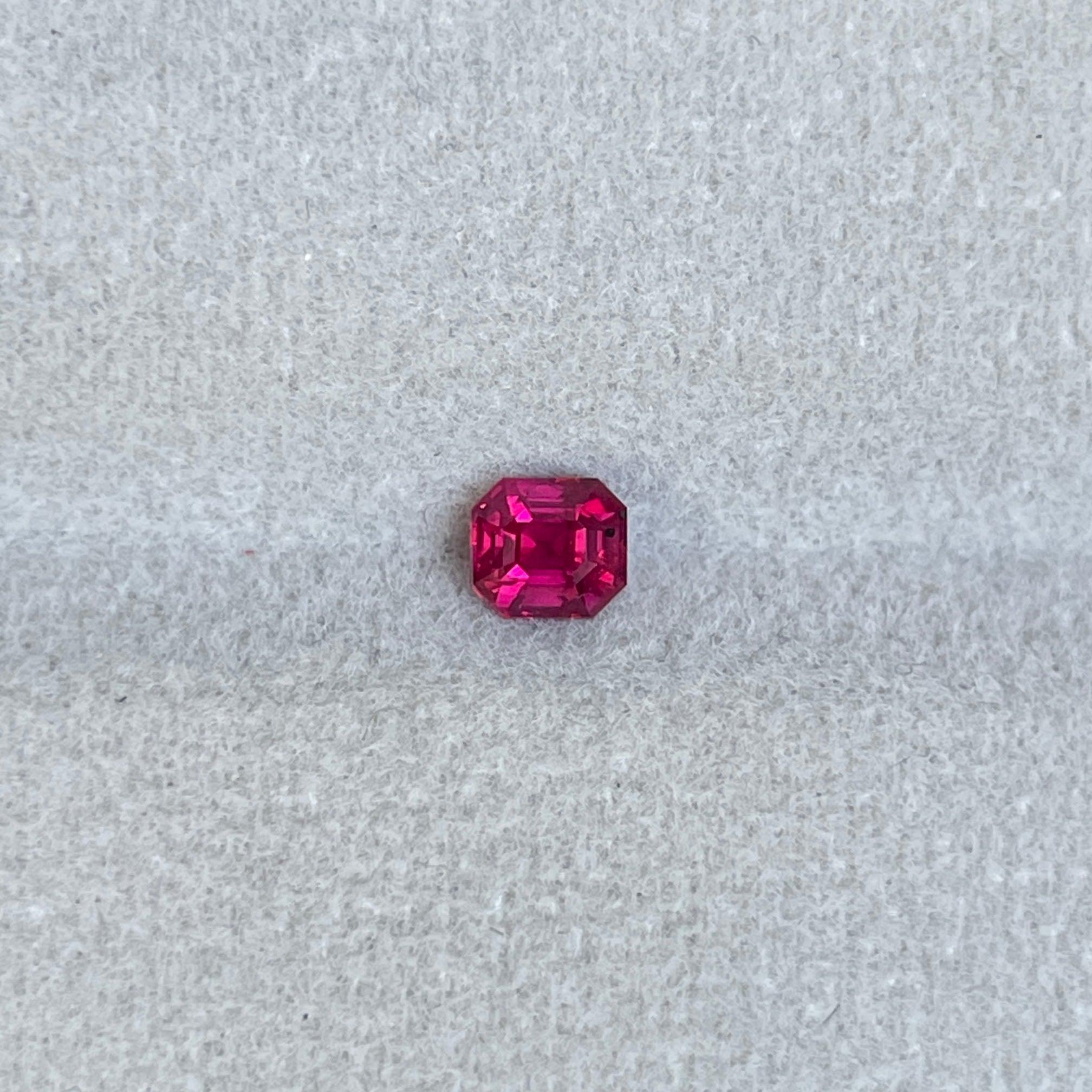
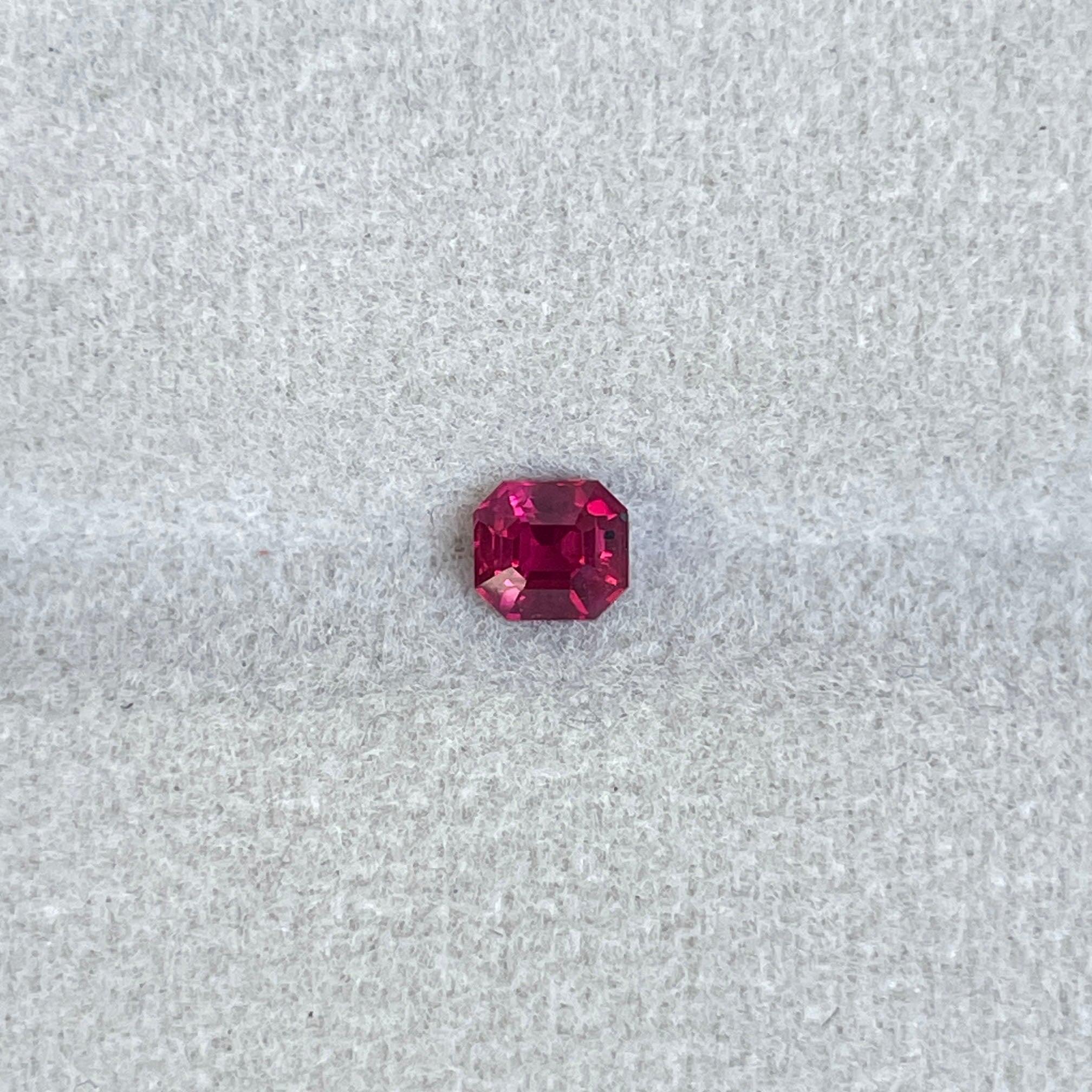
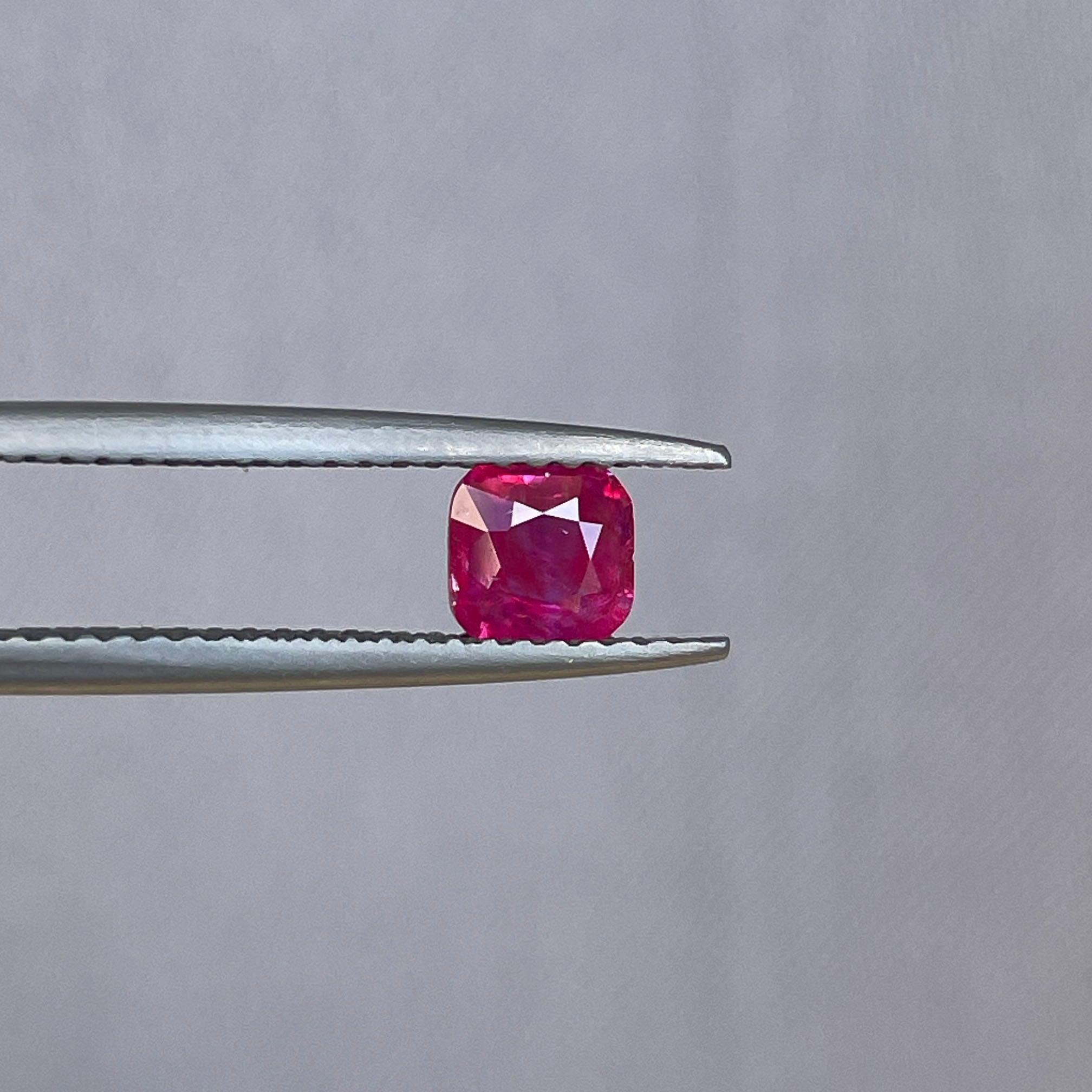
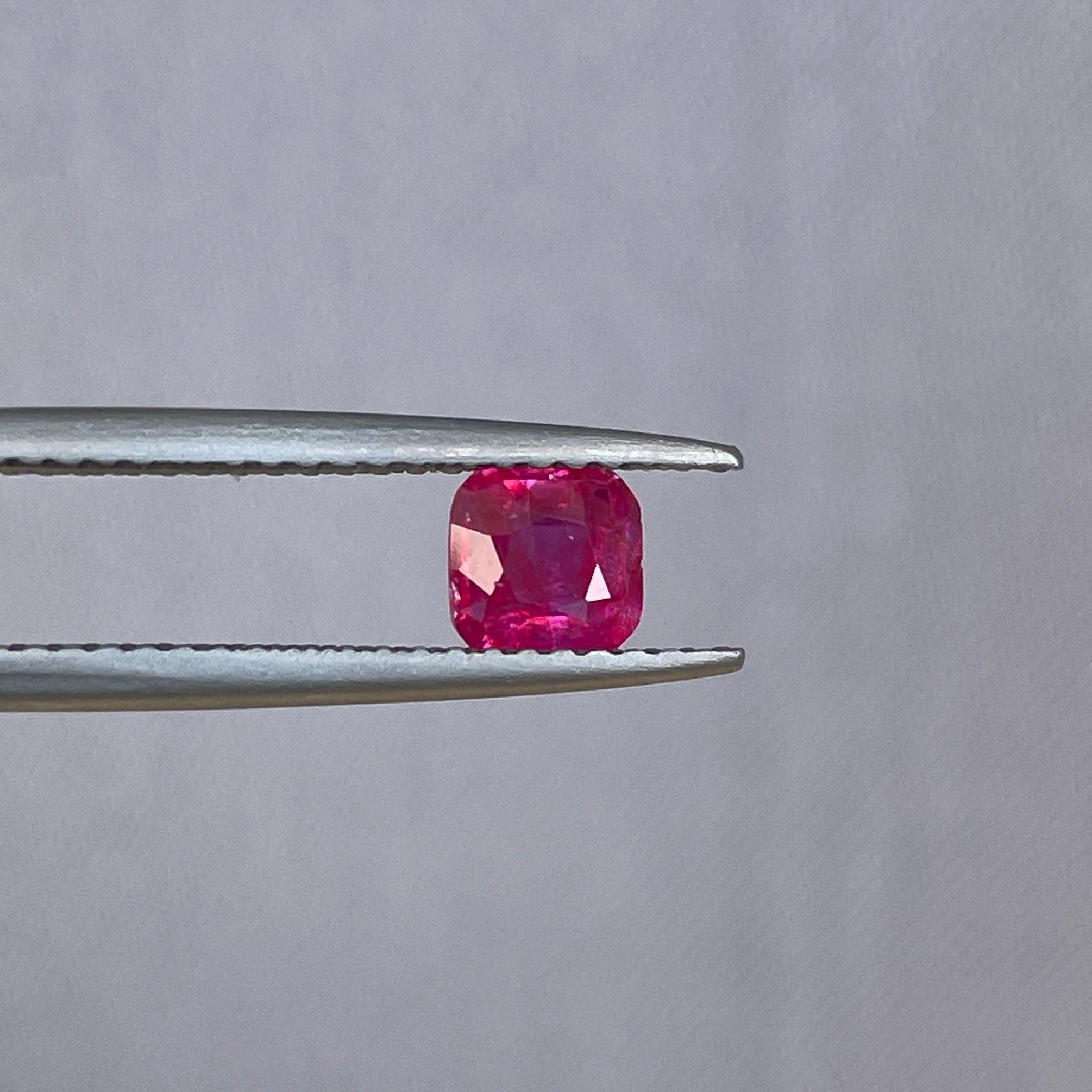
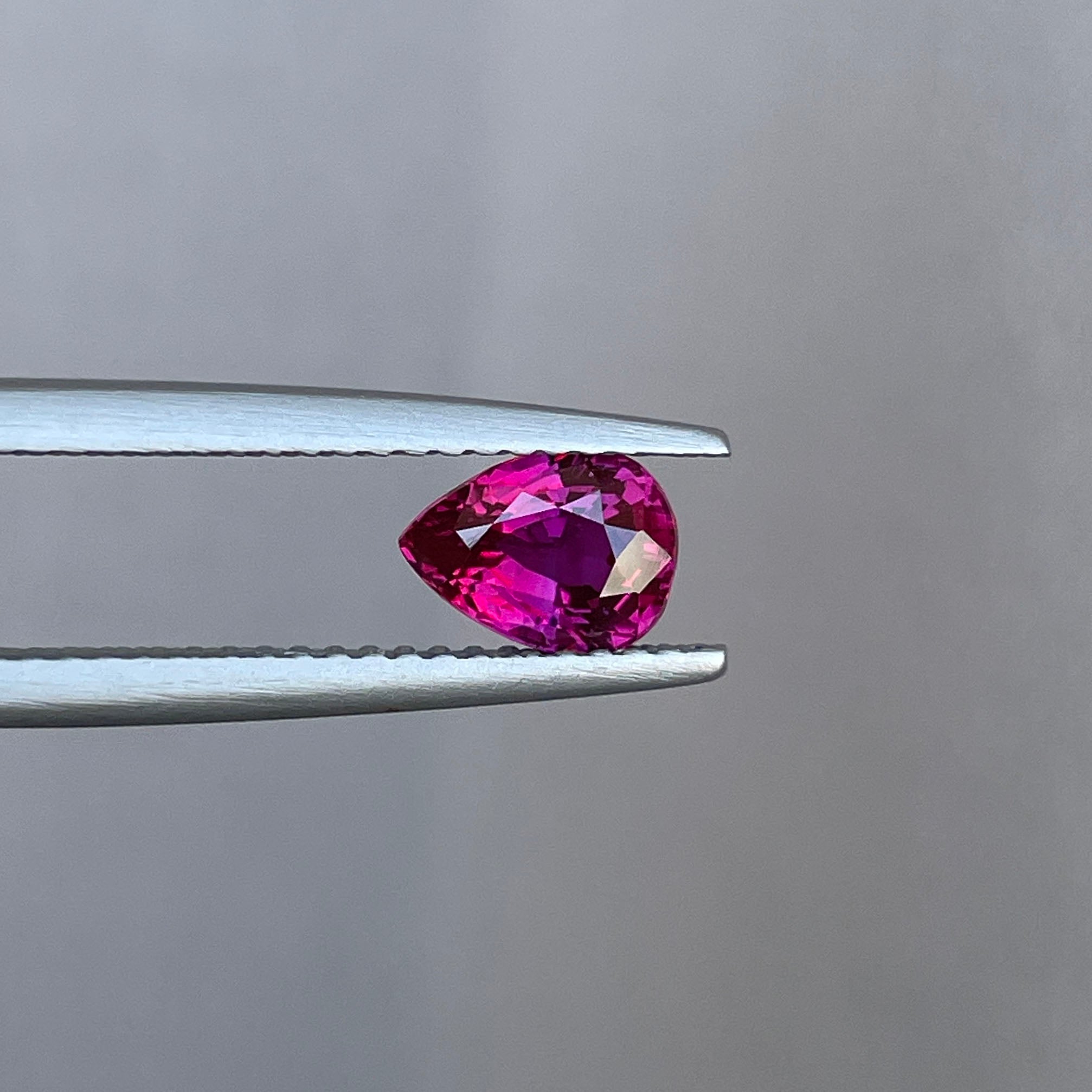
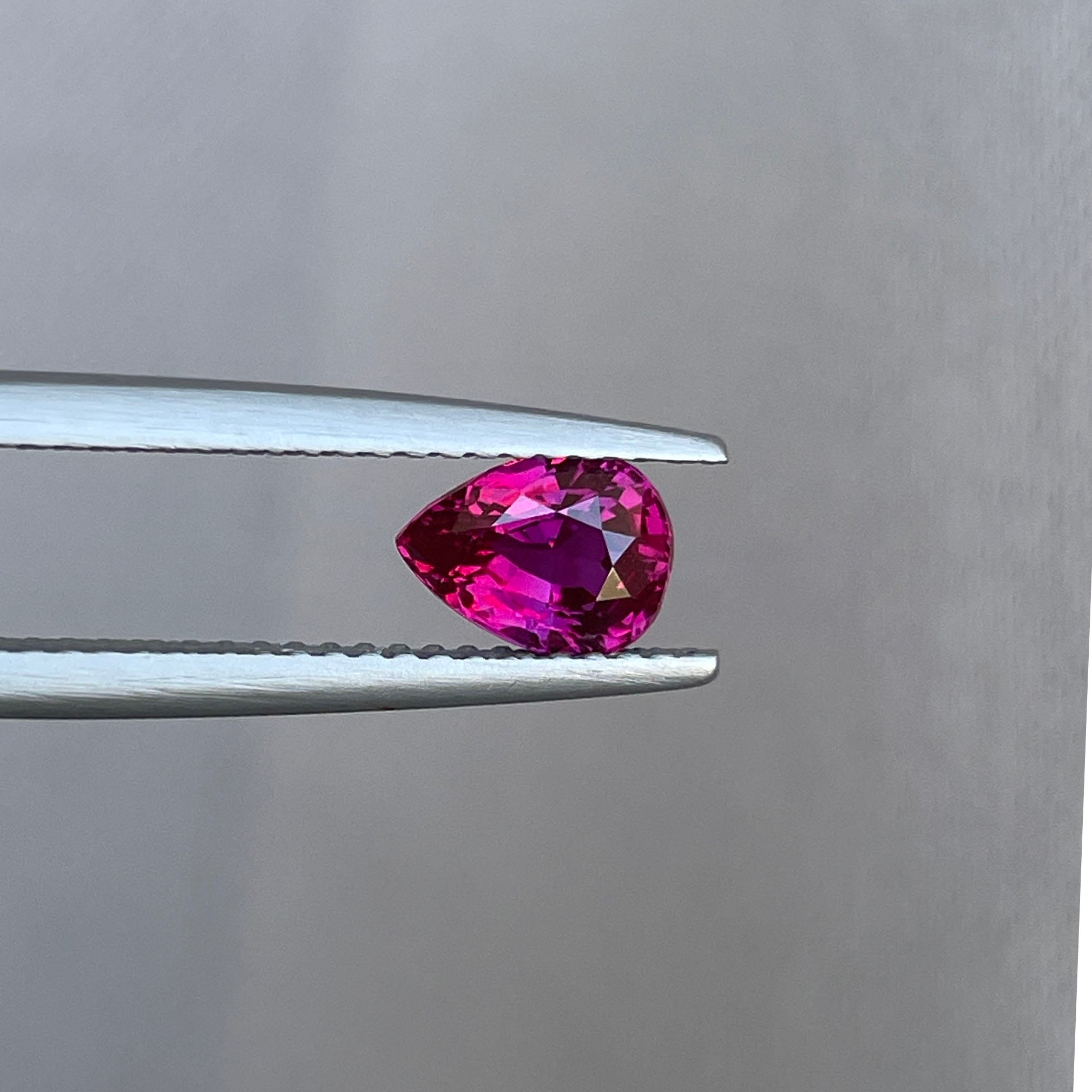
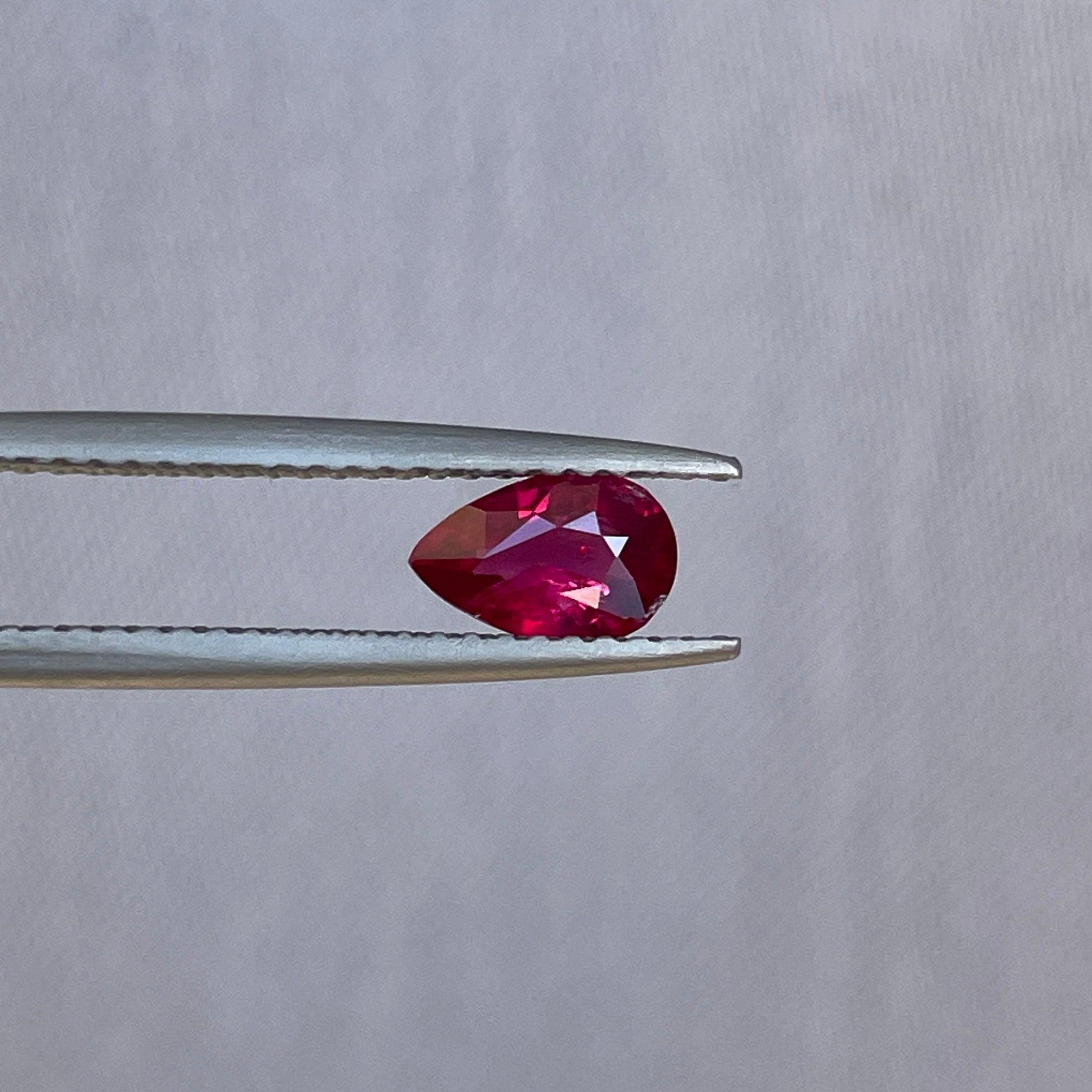
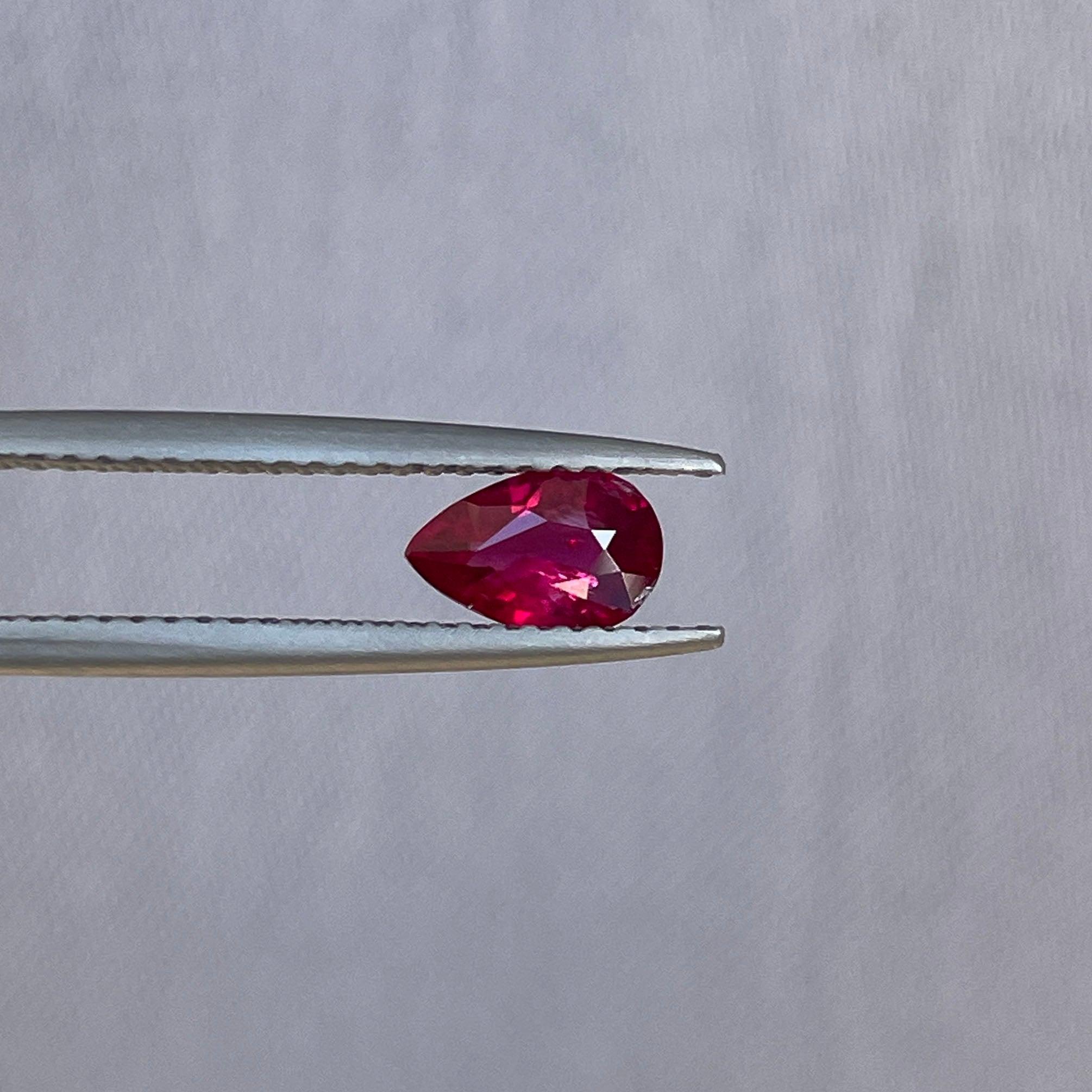
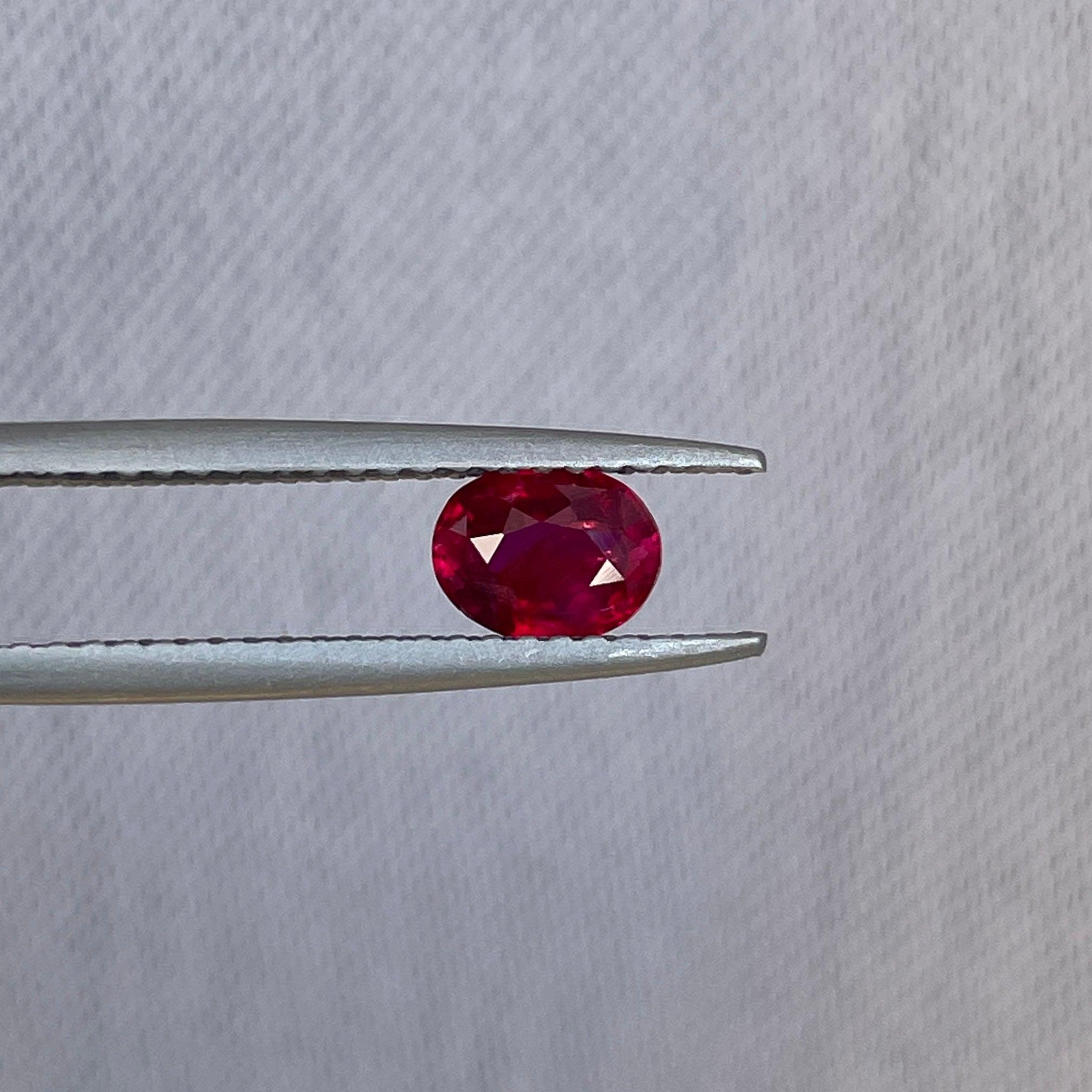
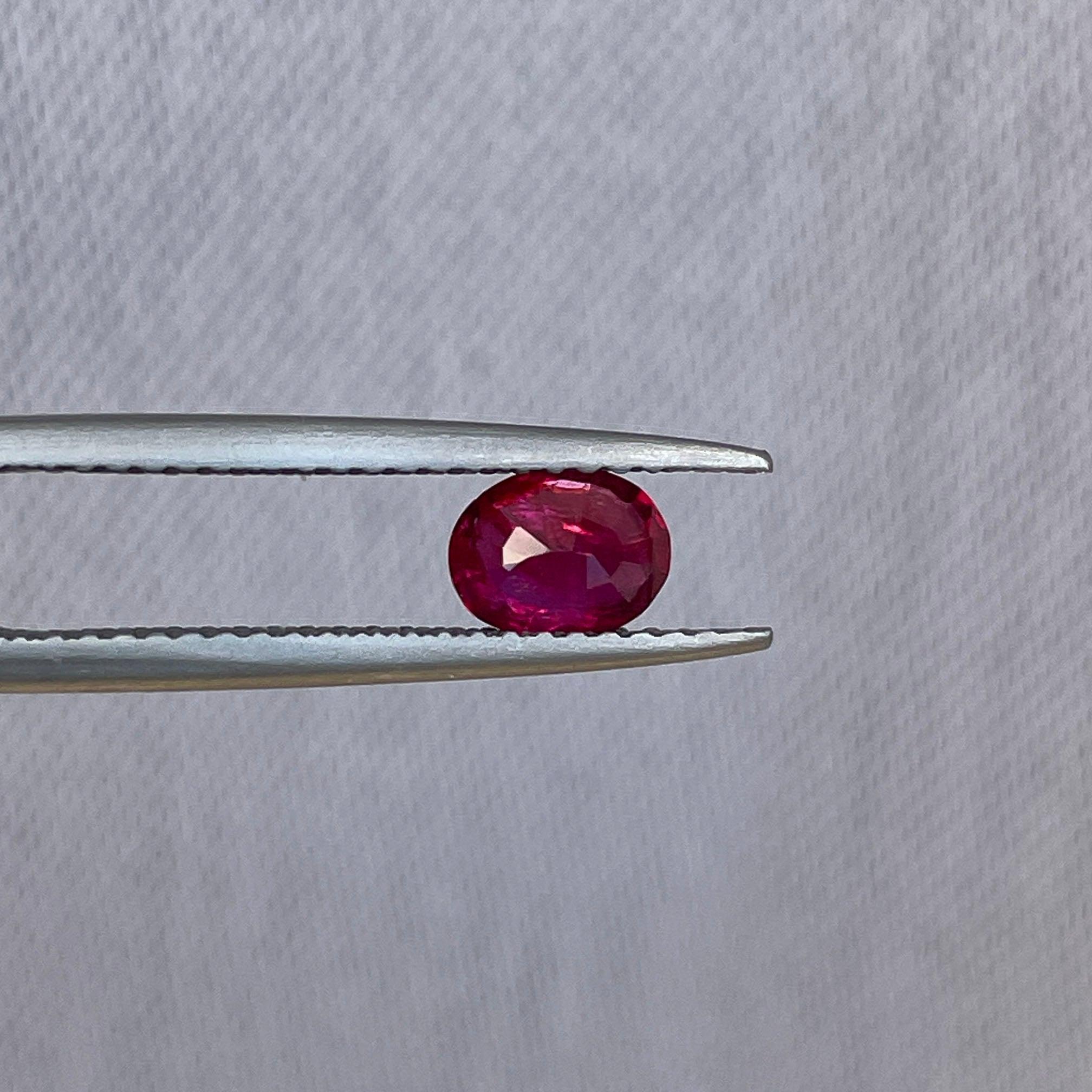
Natural ruby gemstones are red varieties of corundum used in fine jewellery such as engagement rings, pendants, and custom designs. They are valued for their colour, durability, and rarity, and are commonly sourced from regions like Myanmar, Mozambique, and Madagascar.
Explore our collection of natural ruby gemstones, selected for their colour, quality, and durability. Rubies are one of the most valued gemstones in fine jewellery and are widely used for engagement rings, pendants, and custom designs.
Each ruby in our collection is carefully inspected and offered with clear disclosure of treatment and origin. Our goal is to make it easy to choose a genuine ruby with confidence.
Why Choose a Natural Ruby?
Rubies are known for their rich red colour and long-lasting strength. With a hardness of 9 on the Mohs scale, they are suitable for everyday wear and long-term use in jewellery.
- Strong red colour: Ranging from vivid red to deep red tones.
- Durable gemstone: Suitable for rings, pendants, and heirloom jewellery.
- Certified and natural: Each ruby comes with documentation confirming authenticity.
- Ethically sourced: Selected from established ruby-producing regions.
Ruby Origins and Quality
Our rubies come from regions known for producing high-quality stones:
- Myanmar (Burma): Known for deep red rubies with strong saturation.
- Mozambique: Produces bright red stones with good clarity.
- Madagascar: Known for consistent colour and availability.
Each ruby is reviewed for colour, clarity, and cut. Popular shapes include oval, cushion, pear, and round, as they show colour and brilliance well.
Natural vs Synthetic Rubies
Natural rubies form over millions of years and may contain natural inclusions. Some are heat treated to improve appearance, which is standard in the gemstone trade. Lab-grown or synthetic rubies are not included in this collection.
How to Choose the Right Ruby
- Colour: Look for rich, even red tones.
- Clarity: Minor inclusions are normal in natural rubies.
- Cut: Well-cut stones reflect light evenly.
- Carat: Larger rubies are rarer and increase in value.
Rubies pair well with diamonds and precious metals, making them suitable for engagement rings and fine jewellery designs.
Explore Related Collections and Guides
WHAT MAKES A RUBY VALUABLE?
-
Rubies are valued based on their color (pigeon blood red being most prized), clarity, cut, carat weight, and origin. Burmese rubies are especially sought after for their exceptional quality.
ARE RUBIES DURABLE?
-
Yes! Rubies rank 9 on the Mohs hardness scale, making them extremely durable and perfect for everyday wear, including rings, bracelets, and pendants.
WHAT TREATMENTS ARE COMMON FOR RUBIES?
-
Heat treatment is standard and permanent, enhancing color and clarity. All treatments are disclosed to ensure transparency and buyer confidence.
HOW CAN I TELL IF A RUBY IS NATURAL?
-
Natural rubies often contain inclusions visible under magnification. Certification from reputable gemological laboratories is recommended to verify authenticity.
WHAT'S THE DIFFERENCE BETWEEN RUBY AND PINK SAPPHIRE?
-
Both rubies and pink sapphires are corundum. The distinction is based on color: rubies have a deeper red hue, while pink sapphires are lighter and less saturated.