
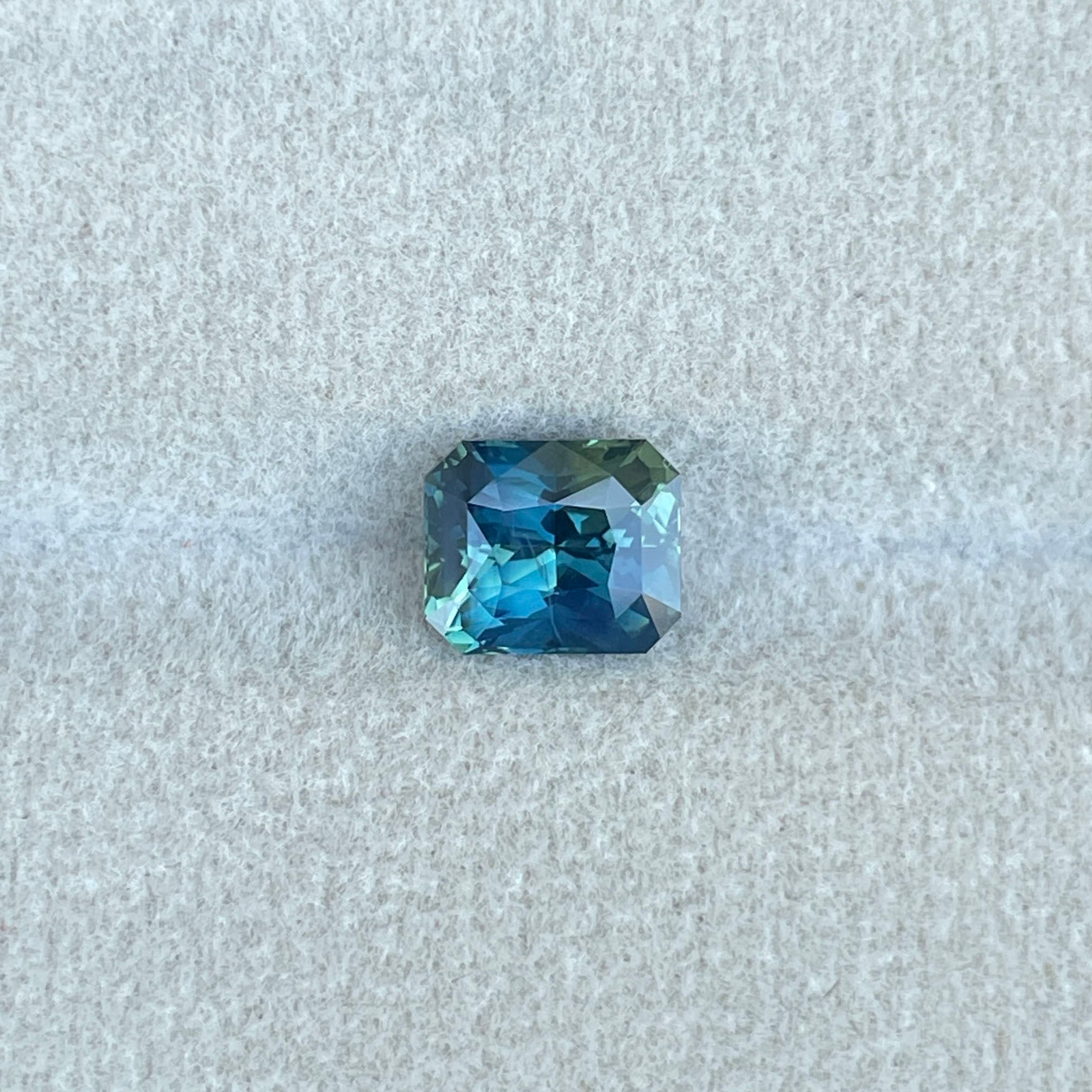
Teal Sapphire, Blue-Green Sapphire, Green Sapphire, Parti & Bi-Colored Sapphire Guide (2025)
Teal, Blue-Green, Green, Parti & Bi-Coloured Sapphires: Complete Buying Guide (2025)
Sapphires come in an incredible range of colours — and some of the most popular modern choices include teal, blue-green, green, parti, and bi-coloured sapphires. These unique stones are loved for their individuality, symbolism, rarity, and natural beauty.
This guide covers people-also-ask (PAA) style questions for each sapphire type, including colour origins, rarity, prices, durability, buying tips and FAQs.
Teal Sapphire Guide
What exactly is a teal sapphire?
A teal sapphire is a natural sapphire that displays a mix of blue and green tones, creating a rich oceanic colour.
How is teal sapphire different from blue or green sapphire?
Teal sapphires sit in the middle of the colour spectrum, showing both blue and green simultaneously rather than fully leaning toward one colour.
What causes the teal colour in a teal sapphire?
Iron and titanium trace elements create mixed wavelengths, producing teal hues.
Are teal sapphires rare and expensive?
High-quality teal sapphires with vivid saturation are considered rare and are rising in popularity, increasing their value.
Can a teal sapphire be used in an engagement ring?
Yes. With a hardness of 9, teal sapphires are perfect for daily wear and engagement rings.
How do I tell if a teal sapphire is natural or treated?
Check for:
-
Natural inclusions
-
Certification (GIA/IGI/GRS)
-
Lack of glassy bubbles
-
Authentic colour zoning
What should I look for when buying a teal sapphire?
-
Strong colour saturation
-
Minimal windowing
-
Symmetrical cutting
-
No brown/grey secondary tones
Where are teal sapphires mined?
Main origins include Sri Lanka, Madagascar, Australia, and Montana (USA).
Does teal sapphire maintain value like blue sapphire?
Teal sapphire demand is growing rapidly — values have increased in recent years.
How to care for a teal sapphire ring?
Clean with mild soap and water, avoid harsh chemicals, and store separately.
Blue-Green Sapphire Guide
What is a blue-green sapphire?
A sapphire that displays both blue and green, often shifting colours under different lights.
How does a blue-green sapphire differ from a teal sapphire?
Blue-green sapphires lean slightly more toward blue, while teal keeps a balanced mix.
What gives a sapphire its blue-green colour?
Iron and titanium levels determine the stone’s colour balance.
Are blue-green sapphires durable enough for everyday wear?
Yes — sapphire hardness (9/10) makes them highly durable.
How much does a blue-green sapphire cost per carat?
Prices range $400–$4,000+ per carat depending on cut, clarity, origin and saturation.
What origins produce the best blue-green sapphires?
Top sources: Sri Lanka, Madagascar, Montana, Tanzania.
Should I buy treated or untreated blue-green sapphire?
Untreated stones are more valuable. Heat-treated stones are more affordable.
Can blue-green sapphire change colour in different lighting?
Yes — many shift between blue, teal, or green depending on the light source.
Which settings best suit blue-green sapphires?
White gold, yellow gold, and platinum enhance their ocean-like tones.
How to select a high-quality blue-green sapphire?
Choose stones with strong saturation, good cut, and minimal extinction.
Green Sapphire Guide
What is a green sapphire?
A natural sapphire that displays solid or mixed green colour tones.
Are green sapphires good for engagement rings?
Yes — they are unique and extremely durable for everyday wear.
What causes the green colour in green sapphires?
Iron content inside the crystal structure.
How rare are green sapphires compared to blue ones?
They are rarer because fewer mines produce clean, saturated greens.
What are the price ranges for green sapphires?
Prices range from $300–$3,500 per carat, depending on quality.
Which countries produce top green sapphires?
Sri Lanka, Madagascar, East Africa, and Australia.
Are green sapphires treated or often natural?
Many green sapphires are naturally coloured and not heat-treated.
How to evaluate green sapphire quality?
Look at:
-
Colour saturation
-
Evenness of green
-
Clarity
-
Sparkle
Do green sapphires have spiritual meanings?
Yes — associated with growth, prosperity, and emotional balance.
How to clean and care for a green sapphire?
Warm soapy water, soft brush, and avoid ultrasonic cleaners for heavily included stones.
Parti Sapphire Guide
What is a parti sapphire?
A sapphire showing two or more distinct colours in the same gemstone, often blue, green, and yellow.
How is a parti sapphire different from bi-colour sapphire?
Parti sapphires have multiple colours; bi-colour sapphires have two colours only.
Why are parti sapphires valuable or unique?
Their natural, non-replicable colour zoning makes each stone one-of-a-kind.
What colours do parti sapphires display?
Typically:
-
Blue
-
Green
-
Yellow
Are parti sapphires suitable for engagement rings?
Highly — they’re durable, unique, and symbolic of individuality.
How to identify a natural vs synthetic parti sapphire?
Check for:
-
Natural inclusions
-
Abrupt colour zoning
-
Authentic certification
Where do parti sapphires come from?
Most famously from Australia, but also Madagascar and Sri Lanka.
What to watch out for when buying a parti sapphire?
-
Unbalanced colours
-
Poor cutting
-
Grey or brown zoning
How much do parti sapphires cost per carat?
Typically $400–$2,500 per carat.
How to style parti sapphire jewellery?
Simple settings let the colours stand out.
Bi-Coloured Sapphire Guide
What is a bi-coloured sapphire?
A sapphire showing two distinct colours within the same stone.
How does a bi-coloured sapphire differ from single-colour sapphire?
Its dual tones make it unique and visually striking.
What causes two colours in one sapphire?
Variations in trace elements during crystal growth.
Are bi-coloured sapphires rare and collectible?
Yes — they are more rare than single-colour sapphires.
Which colour combinations are most sought after?
Blue-yellow, blue-green, pink-yellow, and teal blends.
How to detect treatments in bi-coloured sapphires?
Most bi-colour sapphires are untreated because heating destroys colour zoning.
Are bi-coloured sapphires good for everyday wear?
Yes — they share sapphire’s hardness and durability.
How to price a bi-coloured sapphire?
Colour contrast, clarity, carat weight, and origin strongly affect value.
What settings suit bi-coloured sapphires best?
Minimalist prong or bezel settings enhance their natural colour split.
How to care for a bi-coloured sapphire?
Regular cleaning and proper storage maintain brilliance.
https://www.nashgems.com/collections/blue-green-teal-sapphire
%0ASapphires%20come%20in%20an%20incredible%20range%20of%20colours%20%E2%80%94%20and%20some%20of%20the%20most%20popular%20modern%20choices%20include%20teal,...)