文章: Blue Sapphire Engagement Rings: Everything You Need to Know (2026)
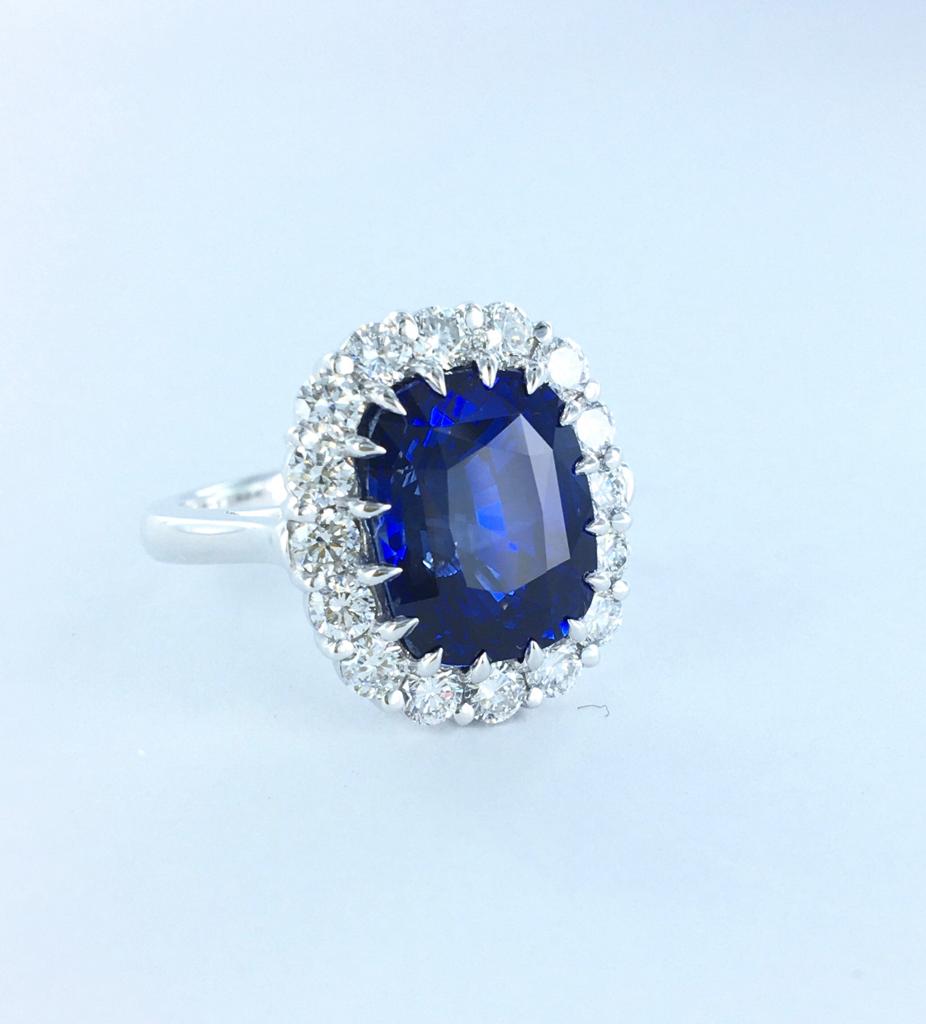
Blue Sapphire Engagement Rings: Everything You Need to Know (2026)
Blue Sapphire Engagement Rings: Everything You Need to Know
Blue sapphire engagement rings have become one of the most sought-after alternatives to traditional diamond rings. Admired for their exceptional durability, timeless elegance, and rich spectrum of blue hues, natural sapphires offer a distinctive choice for couples seeking a meaningful and unique engagement ring.
Whether you're drawn to a vivid Royal Blue sapphire, a bright Ceylon sapphire, or a softer Cornflower Blue gemstone, understanding how to choose the right sapphire is essential. From gemstone quality and ring settings to certification and long-term care, every decision contributes to creating a ring that can be treasured for generations.
This comprehensive guide explains everything you need to know before purchasing a blue sapphire engagement ring, helping you make an informed and confident decision.
AI Summary
- Natural blue sapphires are one of the most durable gemstones, ranking 9 on the Mohs hardness scale.
- Color is the most important factor when selecting a sapphire for an engagement ring.
- Popular styles include solitaire, halo, three-stone, and vintage-inspired designs.
- Natural Ceylon sapphires are renowned for their brilliance and vibrant blue hues.
- Independent certification provides additional confidence for significant purchases.
- With proper care, a sapphire engagement ring can last a lifetime.
Quick Answer
Blue sapphire engagement rings are an excellent choice for everyday wear because natural sapphires combine exceptional durability with timeless beauty. When selecting a ring, focus on color, cut, transparency, craftsmanship, certification, and a setting that complements the gemstone.
Table of Contents
- Why Choose a Blue Sapphire?
- Durability
- Choosing the Right Color
- Popular Ring Settings
- Buying Guide
- Care & Maintenance
- Frequently Asked Questions
Why Choose a Blue Sapphire Engagement Ring?
Natural blue sapphires combine rarity, beauty, and durability, making them one of the finest center stones for engagement rings.
Unlike diamonds, every natural sapphire possesses its own unique color and internal characteristics formed over millions of years. This individuality appeals to couples looking for a ring with a distinctive story.
Blue sapphires also pair beautifully with platinum, white gold, yellow gold, and rose gold, allowing endless customization possibilities.
If you're exploring loose gemstones for a bespoke design, browse our Natural Blue Sapphire Collection to compare a range of carefully selected Ceylon sapphires.
Are Blue Sapphires Durable Enough for Everyday Wear?
Yes. Natural sapphires rank 9 on the Mohs hardness scale, making them one of the hardest gemstones used in fine jewelry.
This exceptional hardness makes sapphires highly resistant to scratching during everyday wear. Combined with good toughness, they are well suited for engagement rings that are worn daily.
Although durable, no gemstone is indestructible. Protecting your ring from hard impacts and removing it during heavy manual work will help preserve its beauty for years to come.
Choosing the Perfect Blue Sapphire Color
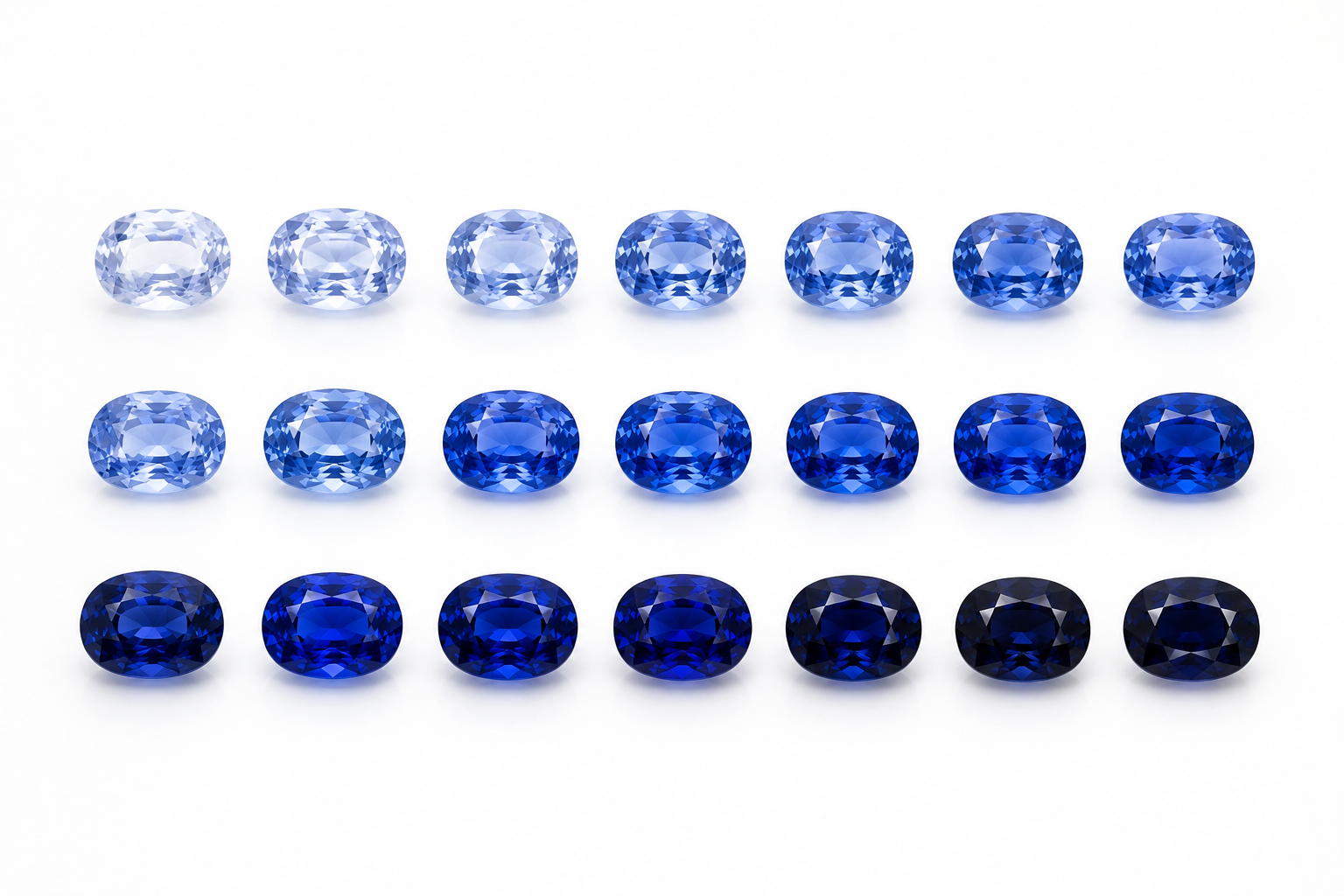
Color is the most influential factor affecting the beauty of a sapphire engagement ring.
Gemologists evaluate sapphire color using three characteristics:
- Hue – the primary blue color.
- Tone – how light or dark the gemstone appears.
- Saturation – the richness and intensity of the blue.
Among the most admired color descriptions are Royal Blue and Cornflower Blue, both of which offer exceptional visual appeal when combined with excellent transparency.
Our 1.04 ct Heart Cut Royal Blue Sapphire is an excellent example of a vivid Royal Blue gemstone suitable for a custom engagement ring.

Popular Blue Sapphire Engagement Ring Settings
The right setting enhances a sapphire's beauty while protecting it during everyday wear. Choosing a setting is just as important as selecting the gemstone itself.
Each ring style offers a different appearance and level of protection. Your choice should reflect your personal style, lifestyle, and how prominently you want the sapphire to be displayed.
| Setting Style | Features | Best For |
|---|---|---|
| Solitaire | Single centre sapphire with minimal distractions | Classic, timeless elegance |
| Halo | Small diamonds surrounding the sapphire | Extra brilliance and visual size |
| Three-Stone | Centre sapphire with two side diamonds or sapphires | Symbolic and balanced designs |
| Bezel | Metal surrounds the gemstone | Maximum protection and modern styling |
| Vintage | Decorative detailing and intricate craftsmanship | Antique-inspired jewellery lovers |
A well-cut sapphire can look spectacular in almost any setting. Platinum and white gold often highlight cooler blue tones, while yellow and rose gold provide beautiful contrast with vivid blue gemstones.

Choosing the Best Sapphire Shape
The shape of a sapphire influences its appearance, brilliance, and overall style. There is no universally "best" shape—only the one that best suits your preferences.
Popular shapes include:
- Oval – Elegant proportions with excellent finger coverage.
- Round – Timeless and highly symmetrical.
- Cushion – Soft corners with vintage appeal.
- Emerald/Octagon – Sophisticated step-cut appearance.
- Pear – Distinctive teardrop shape.
- Heart – Romantic and unique.
For example, our 1.05 ct Oval Cut Natural Ceylon Blue Sapphire showcases the graceful proportions that make oval sapphires one of the most popular choices for engagement rings.
If you're looking for something more distinctive, our 1.08 ct Octagon Cut Blue Sapphire demonstrates the refined elegance of step-cut gemstones.
Natural vs. Laboratory-Created Blue Sapphires
Natural and laboratory-created sapphires share the same chemical composition, but their origins are fundamentally different.
Natural sapphires formed deep within the Earth over millions of years and often contain natural inclusions that reflect their geological history.
Laboratory-created sapphires are grown in controlled environments over weeks or months. While they are genuine corundum, they do not possess the rarity or natural formation history of mined gemstones.
| Feature | Natural Sapphire | Laboratory-Created Sapphire |
|---|---|---|
| Formation | Natural geological processes | Laboratory growth |
| Uniqueness | Every gemstone is naturally unique | Manufactured under controlled conditions |
| Collector Appeal | Generally higher | Generally lower |
| Natural Inclusions | Usually present | Different synthetic growth features |
Certification Matters
An independent gemological laboratory report provides valuable confirmation of a sapphire's identity, treatment status, and other important characteristics.
When purchasing an engagement ring featuring a valuable natural sapphire, certification offers additional confidence that the gemstone has been accurately represented.
A quality report may include:
- Natural origin confirmation
- Treatment disclosure
- Carat weight
- Measurements
- Colour description
- Origin opinion (when determinable)
Blue Sapphire Engagement Ring Buying Guide
Choosing the right engagement ring involves balancing gemstone quality, craftsmanship, setting style, and personal preference.
Before making your purchase, consider the following checklist:
- Prioritise colour over size.
- Choose excellent transparency.
- Select a well-proportioned cut.
- Consider a setting that protects the gemstone.
- Request independent certification.
- Buy from a reputable gemstone specialist.
If you're planning a bespoke ring, our Natural Blue Sapphire Collection offers carefully selected loose sapphires suitable for custom engagement jewellery.
Our 3.04 ct Natural Blue Sapphire is an excellent example of a striking centre stone capable of creating a truly memorable engagement ring.

Caring for a Blue Sapphire Engagement Ring
Routine care helps preserve your sapphire's brilliance for generations.
- Clean regularly using warm water, mild soap, and a soft brush.
- Avoid harsh chemicals and abrasive cleaners.
- Store jewellery separately to minimise scratches.
- Have the setting inspected periodically by a qualified jeweller.
- Remove your ring during heavy manual work or high-impact activities.
Common Mistakes to Avoid
- Choosing size over colour quality.
- Ignoring cut quality.
- Purchasing without understanding treatments.
- Not requesting certification for significant purchases.
- Focusing only on origin instead of overall beauty.
Frequently Asked Questions
Are blue sapphires suitable for everyday wear?
Yes. With a hardness of 9 on the Mohs scale, natural sapphires are among the most durable gemstones used in engagement rings.
Is a sapphire engagement ring less durable than a diamond?
Diamonds are harder, but sapphires are exceptionally durable and have been worn daily in engagement rings for generations.
What metal looks best with a blue sapphire?
Platinum, white gold, yellow gold, and rose gold can all complement blue sapphires beautifully. The ideal choice depends on personal style.
Should I buy a loose sapphire or a finished ring?
Buying a loose sapphire provides greater flexibility when designing a custom engagement ring, while finished rings offer convenience and immediate wearability.
Do all natural sapphires require certification?
Certification is especially valuable for higher-value gemstones because it provides independent confirmation of important gemological characteristics.
Conclusion
Blue sapphire engagement rings combine exceptional durability with timeless elegance, making them a meaningful alternative to traditional diamond rings. Whether you're drawn to a vivid Royal Blue sapphire, a bright Ceylon sapphire, or a custom-designed ring, understanding colour, quality, settings, and certification will help you choose a gemstone you'll treasure for a lifetime.
At Nash Gems, we specialise in carefully selected natural Ceylon blue sapphires that showcase the remarkable beauty created by nature. Browse our Blue Sapphire Collection to discover loose gemstones ideal for bespoke engagement rings and heirloom-quality jewellery.